Preserving the Sea’s Bounty: Sekiko Kakitani, Sixth-Generation Head of Kakita Suisan
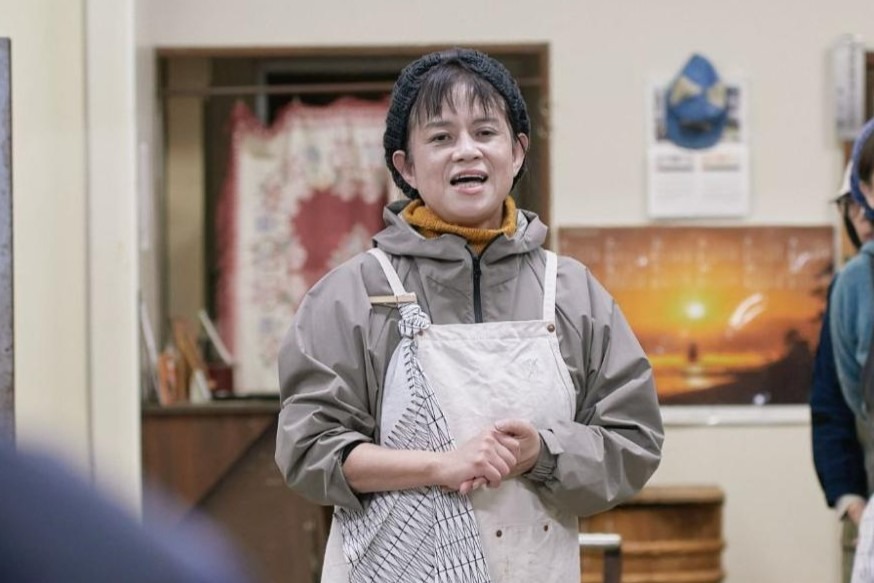
Sekiko Kakitani
President, Kakita Suisan, Yugen Kaisha (a Japanese limited company)
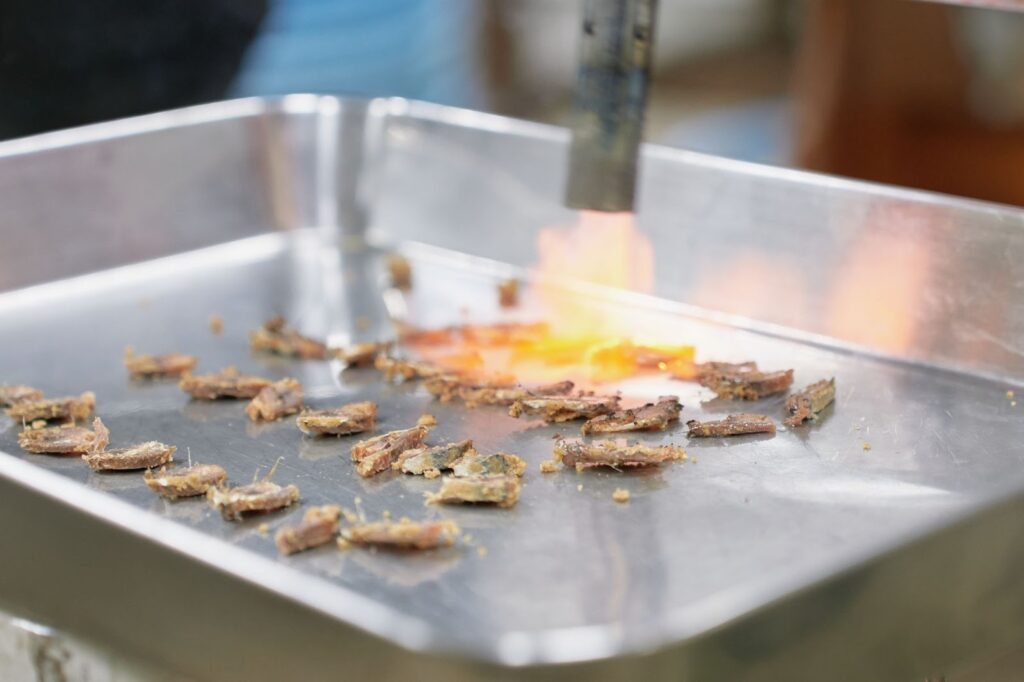
Konka-zuke is a traditional preserved fish made by lactic fermentation, using a concept similar to narezushi, the origin of sushi history. By fermenting fish that spoil quickly, it can be stored for long periods.
For six generations, Sekiko Kakitani has continued this food culture in Himi, a coastal city at the base of the Noto Peninsula in Toyama Prefecture.
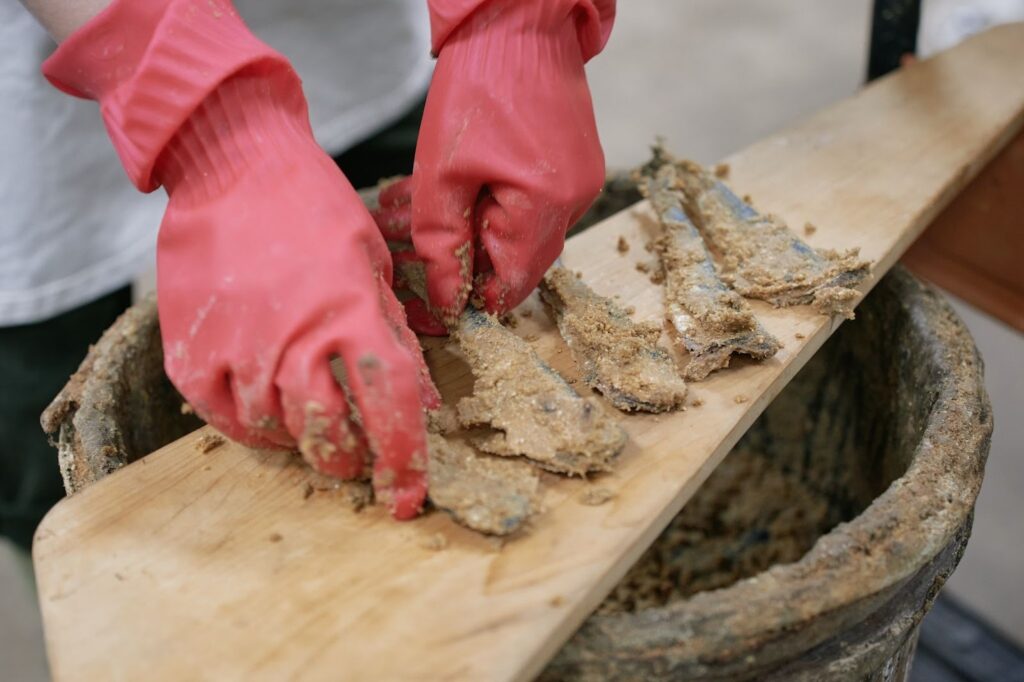
Preserved fish made from sardines and mackerel are known as heshiko in Fukui, named after the method of pressing fish while pickling. In the Noto Peninsula area spanning Toyama and Ishikawa, it is called konka-zuke, a name derived from konuka, or rice bran.
Today, Himi is widely known as a major landing port for winter yellowtail, but it has also been famous for its high-quality sardines since the Edo period. In times of abundant catches, surplus fish that could not be eaten were often used as fertilizer or livestock feed.
To make full use of the sea’s bounty, the company’s founder, Tasuke Kakitani, started a fish-processing business and began producing konka-zuke.
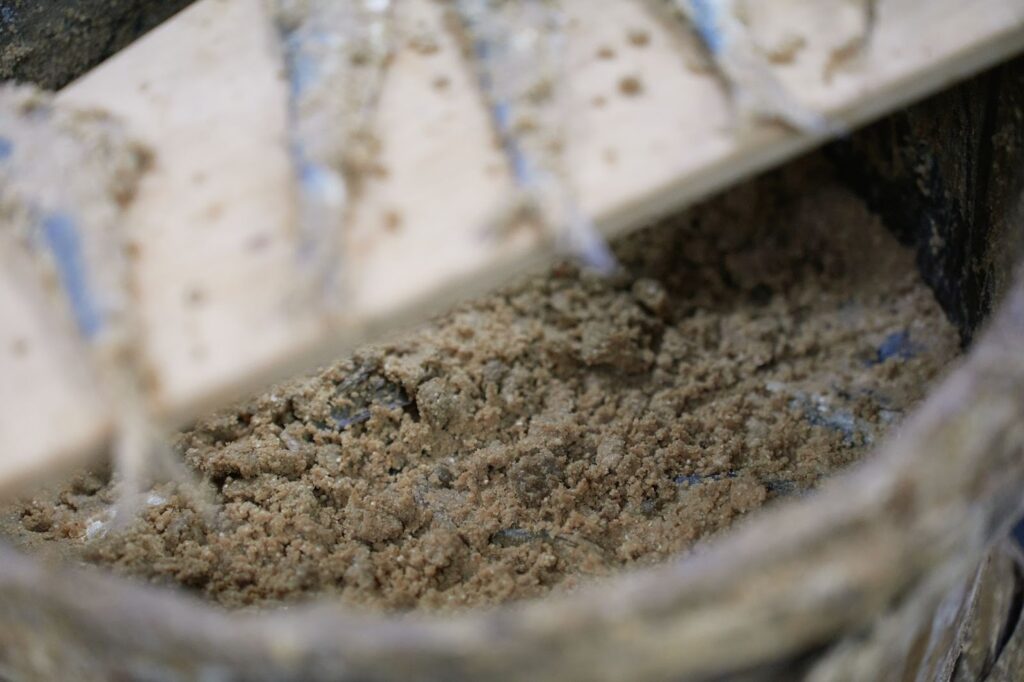
The process starts with washing freshly caught sardines the same day they are landed, salting them, and weighing them down for about a week. The fish are then layered with rice bran, koji mold, chili peppers, sake lees and other ingredients in cedar barrels once used for making miso and soy sauce. They are left to ferment naturally for one to three years.
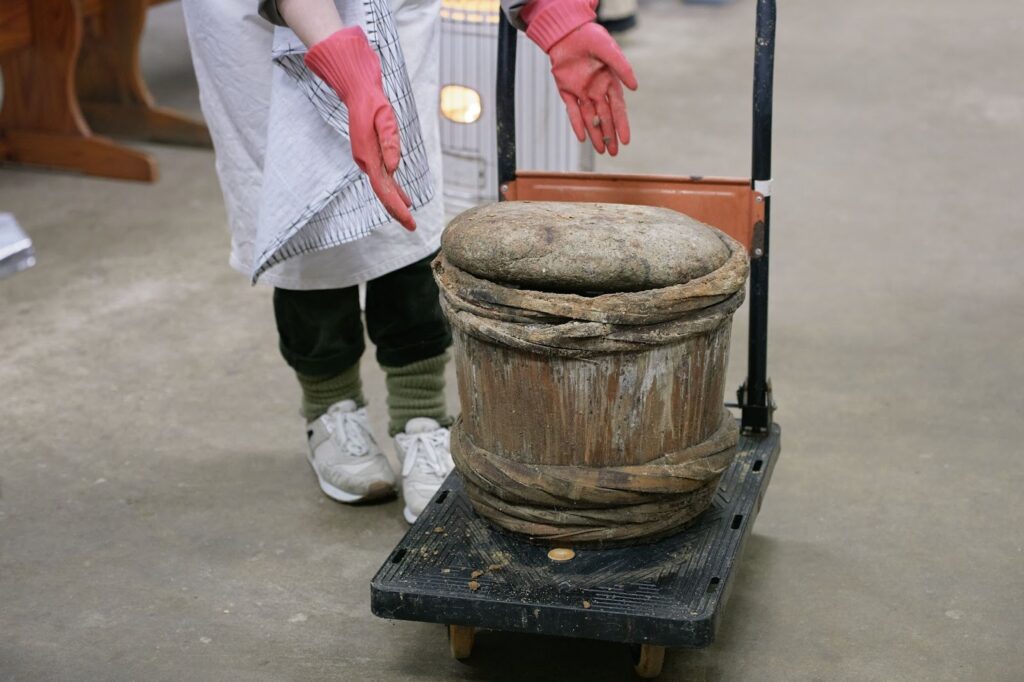
“After the Noto Peninsula earthquake, there was a time when I considered giving up the family business,” Kakitani said. “But the support of people who look forward to our konka-zuke encouraged me to keep going.”
“As a processor, I feel it is our mission not to waste the natural gift of fresh fish that is available year-round. By changing products and methods, I want to make the most of each ingredient,” she added.
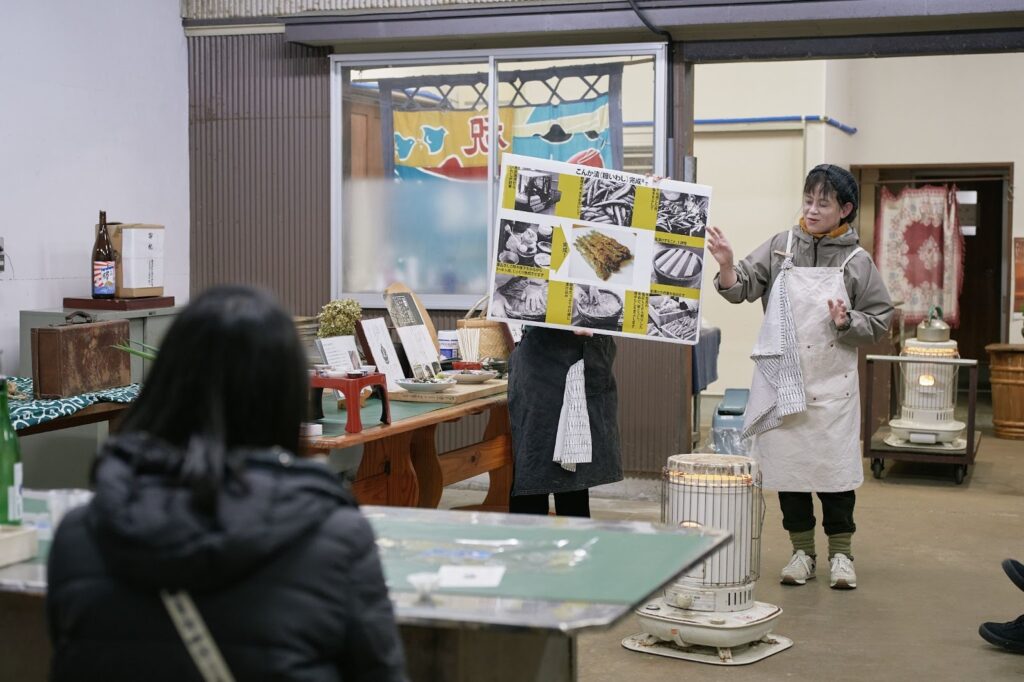
Kakitani continues to bring this traditional food culture to new audiences by hosting small barrel-opening events and suggesting new ways to enjoy konka-zuke.
Living alongside Toyama’s natural environment, Kakitani is not only preserving its food traditions but also taking on new challenges. As a sixth-generation business owner, she is one of the key figures supporting Toyama’s diverse sushi culture.
Contact
Kakita Suisan, Yugen Kaisha (a Japanese limited company)
3-37 Kitaomachi, Himi, Toyama, Japan
Tel: +81-766-74-0025
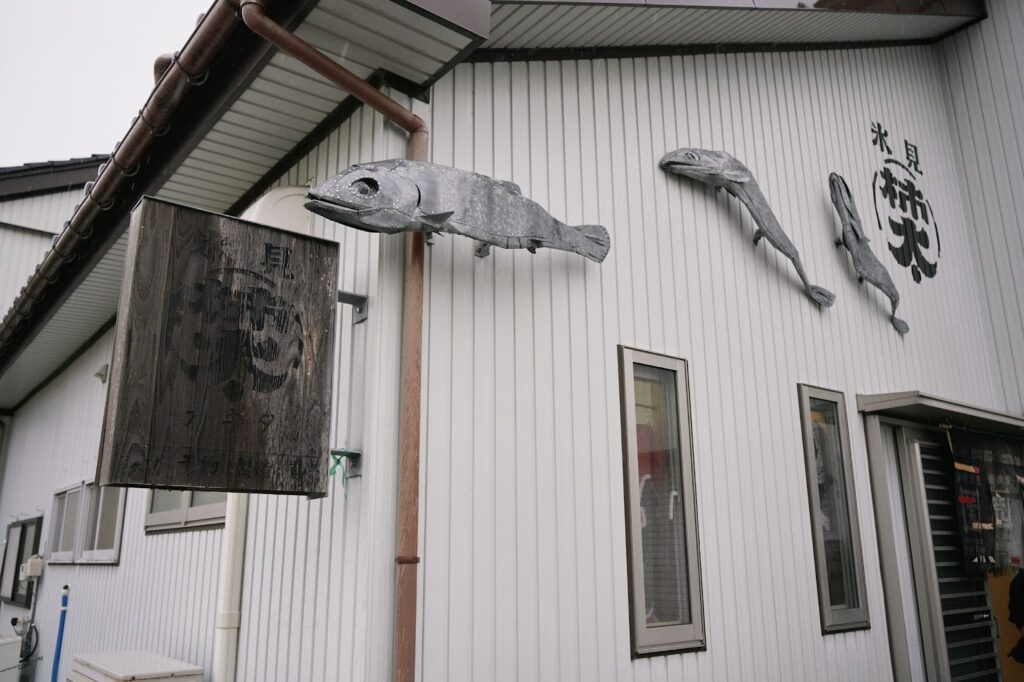
Photo by Kenta Nakajima
SHARE to SNS