From Nurse to Natural Farmer: Tomonori Maruyama of marufarm, Growing Health From His Hometown Fields
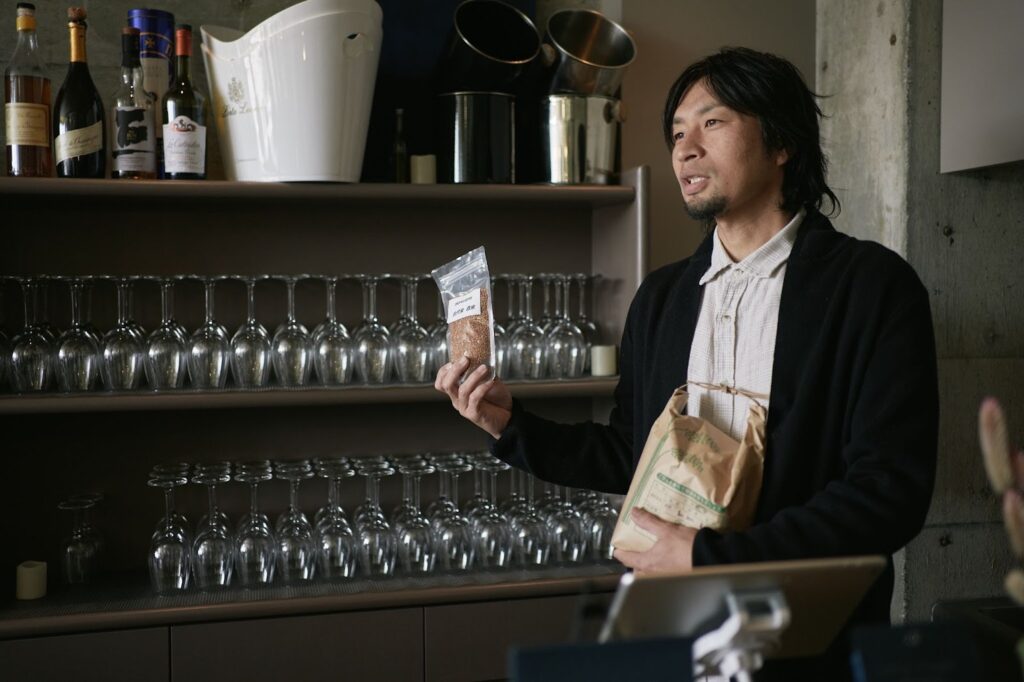
Tomonori Maruyama
Founder, marufarm
After spending more than 20 years working on the front lines as a nurse, Tomonori Maruyama has begun a new chapter in his life as a natural farmer.
In 2019, he started learning natural farming under Hito Hirokazu, a natural farmer in Himi, Toyama Prefecture. At the same time, Maruyama began cultivating his family’s ancestral farmland in the Kanayama district of his hometown, Imizu City, balancing both nursing and farming as he built his path as a natural grower.
Today, his activities continue to expand. Maruyama focuses on naturally grown heirloom and native varieties of vegetables and fruits, log-grown shiitake mushrooms, and honey production through beekeeping. He is also working on natural rice cultivation and building a chicken coop in preparation for poultry farming. In April 2026, with support from a company that shares his vision, Maruyama plans to become an independent full-time farmer.
“Compared with conventional farming, natural cultivation may not produce large yields,” he says. “And when you are doing this as a livelihood, not just a hobby, it comes with a completely different set of challenges.
“That’s why I want to strengthen my ability to communicate. I want people in Toyama to understand the added value of vegetables grown through natural farming and to feel a sense of connection and empathy.”
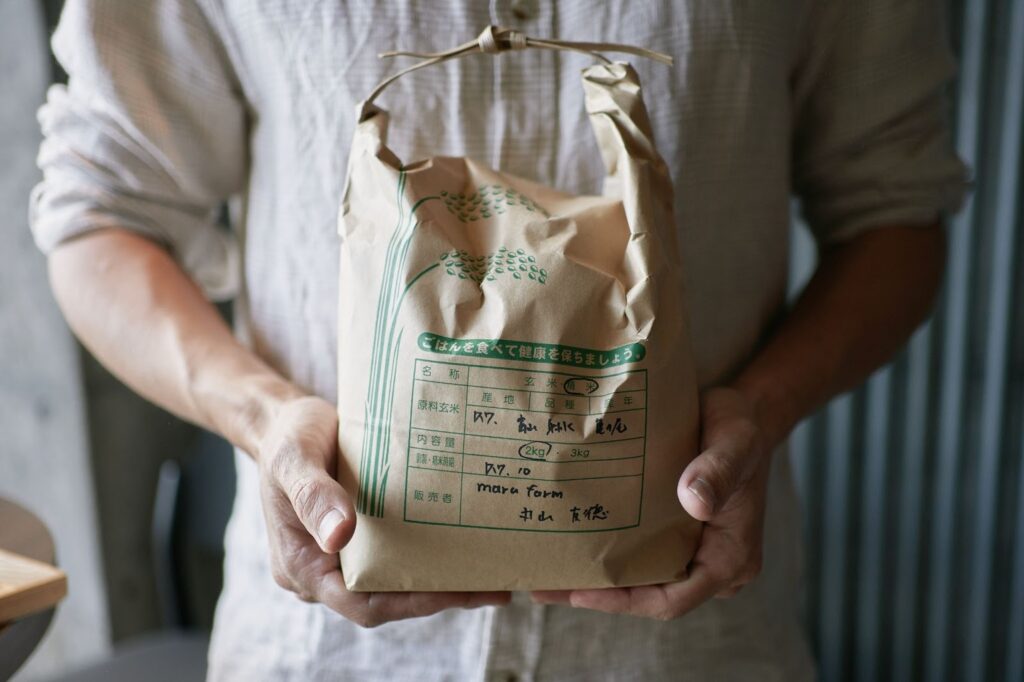
Maruyama originally chose the nursing profession after graduating from nursing school because he wanted to work for the benefit of others. That motivation has not changed.
As cancer, allergies and developmental disorders continue to increase in Japan, he says he wants to support people’s health at its foundation by rethinking food and agriculture. Through gradual preparation, he has been working toward contributing to the health of more people by reforming how food is grown and consumed.
“I am not completely opposed to agriculture that uses pesticides,” Maruyama says. “When we deliver naturally grown vegetables to elementary school lunches, we also explain to children that pesticide-based farming helps secure yields and supports Japan’s food self-sufficiency.
“At the same time, the environmental impact of certain pesticides, such as neonicotinoids, which are banned in the European Union, cannot be ignored. Numerous studies have pointed out their effects. And when I see large numbers of Western honeybees dying in front of beehives during spraying seasons, it becomes impossible, on a personal level, not to think about the environmental consequences.”
“There are many ways of thinking and many ways of living,” he adds. “But I hope to work with local chefs and others who share similar values to gradually expand the reach of natural farming, which places less burden on the environment.”
True to his words, Maruyama has actively participated in workshops and gatherings such as the Umiyama Fermentation Lab, a program that brings together chefs from across Toyama Prefecture and is organized by Shiawase Design.
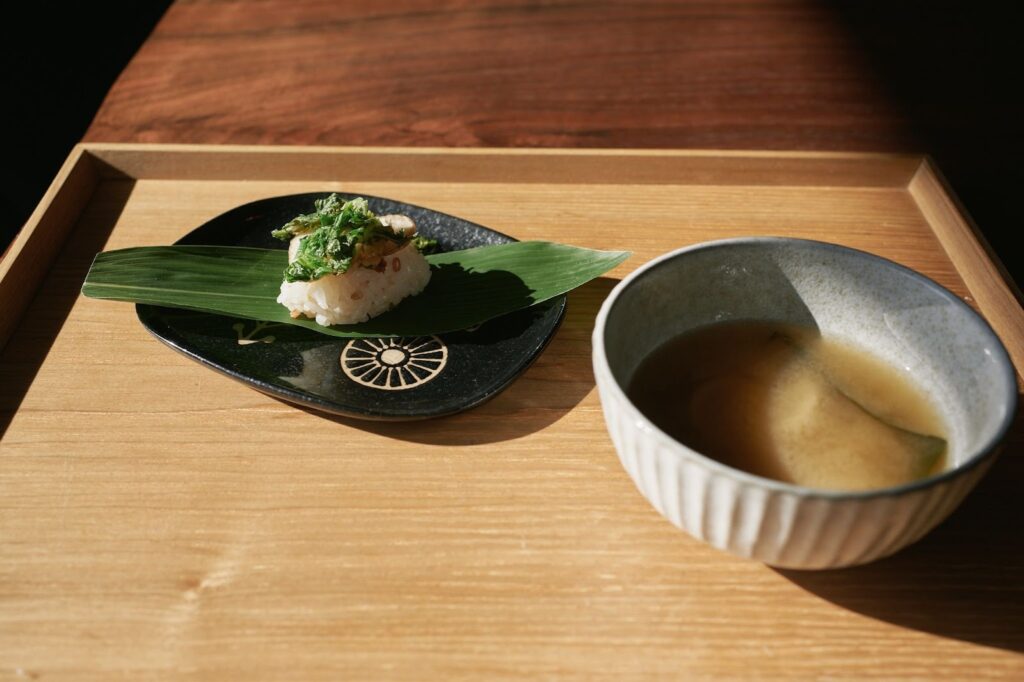
Through these connections, rice, vegetables and mushrooms grown at marufarm using natural methods have begun to be used as ingredients for vegan sushi.
By providing seasonal, naturally grown produce and supporting the region’s food culture, Maruyama is one of the people helping sustain Toyama’s diverse sushi traditions, starting from the fields.
Contact
marufarm
Address: 92-1 Aoitani, Imizu City, Toyama Prefecture
Contact: Email inquiry form
Photo by Kenta Nakajima
SHARE to SNS