Maguro (Tuna / マグロ): The iconic sushi fish that measures a restaurant’s quality
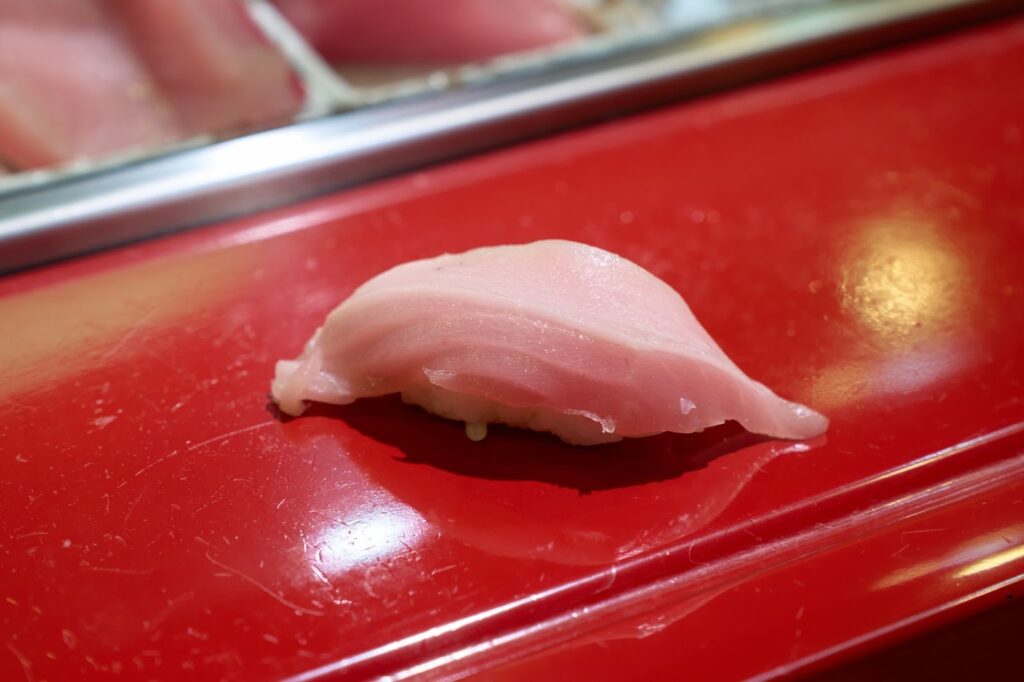

Maguro, or tuna in English, is one of the most popular sushi fish and a key way to judge a sushi restaurant’s quality. Making great maguro sushi takes skill in selecting the fish, keeping it fresh, cutting it perfectly, and timing each piece. In this article, we’ll give sushi lovers the basics of maguro and dive into its different categories, including akami, chutoro, and toro, so you can enjoy every cut
What Is Maguro in Sushi?
Maguro, the Japanese word for tuna, is a classic and widely loved topping in many styles of sushi. Its fresh flavor, subtle acidity, and iron-rich taste, derived from the blood, pair perfectly with sushi, while its deep red color provides a striking contrast to the white, vinegared rice.
What Is Maguro Sushi Made Of?
Maguro sushi comes in several forms. Nigiri sushi consists of hand-pressed vinegared rice topped with a slice of maguro. In maki sushi, stick-shaped pieces of maguro are rolled with vinegared rice and seaweed (nori) as the filling.
What Is the Difference Between Maguro and Tuna?
Maguro and tuna refer to the same fish, with maguro being the Japanese word for tuna. Tuna is a general term that encompasses several species, including bluefin tuna and blackfin tuna. In other words, “tuna” refers broadly to this group of fish rather than to a single species.
Different Categories of Maguro
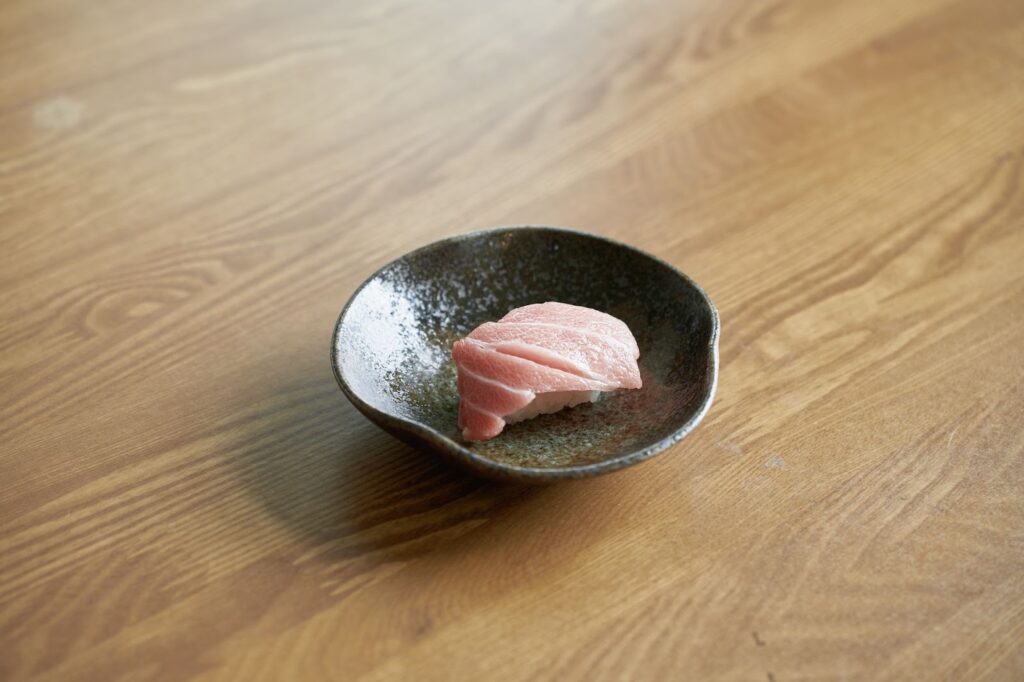
Caption/ Toro is a general term for the fatty cuts of tuna (maguro)
Maguro, or tuna, is a large fish, and its different parts vary in flavor and texture, each with its own name. Below are some of the most common cuts used in sushi.
Akami
Akami is a Japanese term for a specific cut of tuna (maguro), taken from the lean, deep-red flesh along the spine of the fish. It has a rich umami flavor and a subtle acidity. It is often served with a slice of tuna marinated in soy sauce.
Chutoro
Chutoro is a Japanese term referring to a moderately fatty cut of tuna (maguro). It is found both on the belly side and the back side of the fish, in areas that fall between the lean akami and the richly fatty otoro. The word combines chu, meaning “middle,” and toro, which is thought to derive from torokeru, meaning “to melt.” As the name suggests, chutoro represents a middle level of fattiness, balancing richness with a clean, refined flavor.
Otoro
Toro is a general term for the fatty cuts of tuna (maguro) and is broadly divided into otoro and chutoro, which indicate high and medium levels of fattiness, respectively. Otoro combines o, meaning “large” or “great,” with toro, and refers to the rare, fattiest cut from the belly near the tuna’s head. Its richness and limited availability make otoro more expensive than chutoro and the lean red meat known as akami. The texture is exceptionally soft and buttery, as the fat melts easily at low temperatures.
Maguro Sushi FAQs
What Is the Difference Between Maguro Sushi and Maguro Sashimi?
Maguro sushi consists of vinegared rice topped with a slice of maguro (tuna), whether from a lean or fatty cut. Maguro sashimi, by contrast, is served on its own as a slice of raw tuna without rice. While sashimi may be used as a topping for sushi, the two are distinct dishes with different preparations and roles in Japanese cuisine.
What Is Hon Maguro Sushi?
Hon maguro refers to kuro maguro, or bluefin tuna. This species is the most iconic tuna used in sushi, with individuals reaching lengths of up to 3 meters and weighing over 400 kilograms. As the tuna grows, its name changes in Japanese from meji maguro to chuubou maguro, shibi maguro, and finally kuro maguro (hon maguro). Bluefin tuna are highly migratory, found in both the Atlantic and Pacific Oceans, and their migration can even bring them into smaller waters, such as Toyama Bay in the Sea of Japan.
Maguro Sushi as a Key Indicator of Sushi Bar Quality
Maguro sushi is one of the most classic and essential items in Japanese sushi. Nearly all sushi bars and restaurants serve maguro (tuna), and it is often seen as a benchmark of a chef’s skill and a restaurant’s overall quality. Because the same type of sushi can be compared across different establishments, maguro allows diners to appreciate subtle differences in technique, rice seasoning, and fish quality. For this reason, maguro sushi is considered a must-order in any sushi experience.
For those looking for delicious maguro sushi nearby, click this Sushi Near Me map.
Photo by Kenta Nakajima
Research Sources
Kodansha International. The Kodansha Bilingual Encyclopedia of Japan. Kodansha, Tokyo, Japan.
Kawahara, Kazuhisa. Yomu Sushi Oishii Hanashi: 108 Neta. Bungeishunju, Tokyo, Japan.
Iwanami Shoten. Kōjien Dictionary. Iwanami Shoten, Tokyo, Japan.
Heibonsha. The World Encyclopedia, Revised Edition. Heibonsha, Tokyo, Japan.
Japan Tourism Agency. Sushi: JTA Sightseeing Database. Japan Tourism Agency, Tokyo, Japan.
Tatsumi, Yoshiyuki, and Tsuchida, Mitose. Why Sushi in Toyama Is So Delicious. Hokkoku Shimbunsha, Toyama, Japan.
SHARE to SNS