Sushiya (Sushi Bar / 寿司屋): A Japanese term combining “Sushi” and “Ya,” meaning a shop, restaurant, or bar


Sushiya is a Japanese term for a sushi restaurant, combining “sushi” and “ya,” which means a shop, restaurant, or bar. Even sushi fans may not know what sushiya literally means, what to wear when visiting one, or where to find authentic sushiya in Japan. This article breaks down the basics of sushiya, from etiquette to locations, giving you helpful insight to feel more comfortable and enjoy sushi experiences even more.
What Does “Sushiya” Mean?
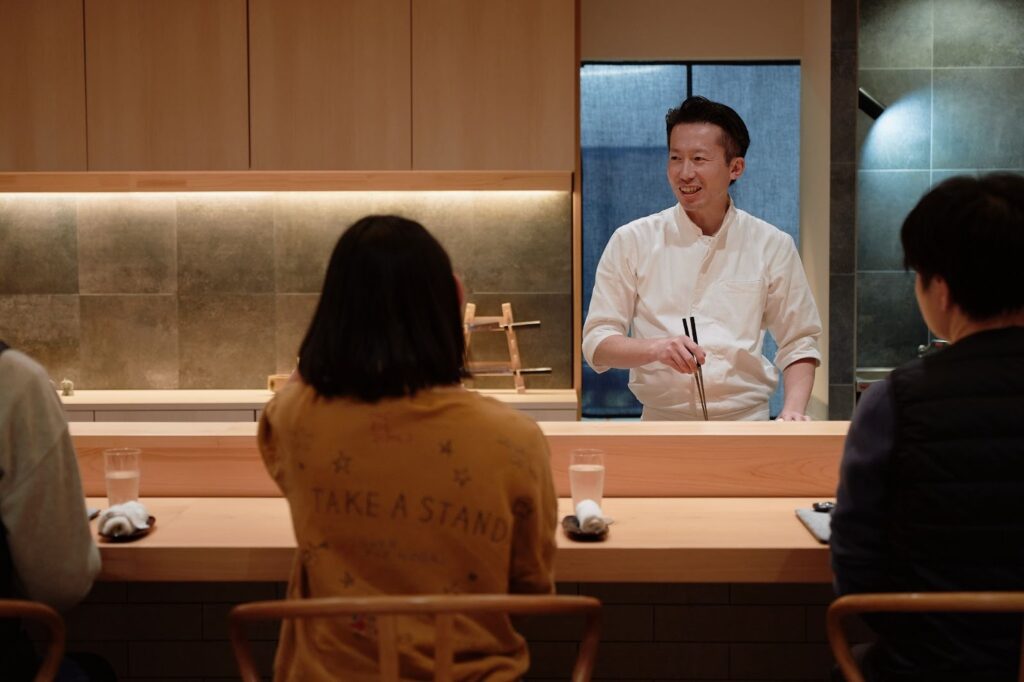
Caption/ Naruki, an authentic sushi bar in Himi City, Toyama, Japan.
Sushiya means sushi restaurant or sushi bar in Japanese. The word is formed from sushi and ya, which means shop or establishment, including restaurants and bars.
Dress Code: What to Wear at a Sushiya
Dress codes depend largely on the type of sushi restaurant. Casual conveyor-belt sushi restaurants have no dress code. While authentic sushi bars generally do not require formal attire, it is still best to dress neatly as a sign of respect for the chef and the establishment.
Where to Find Good Sushiya Restaurants
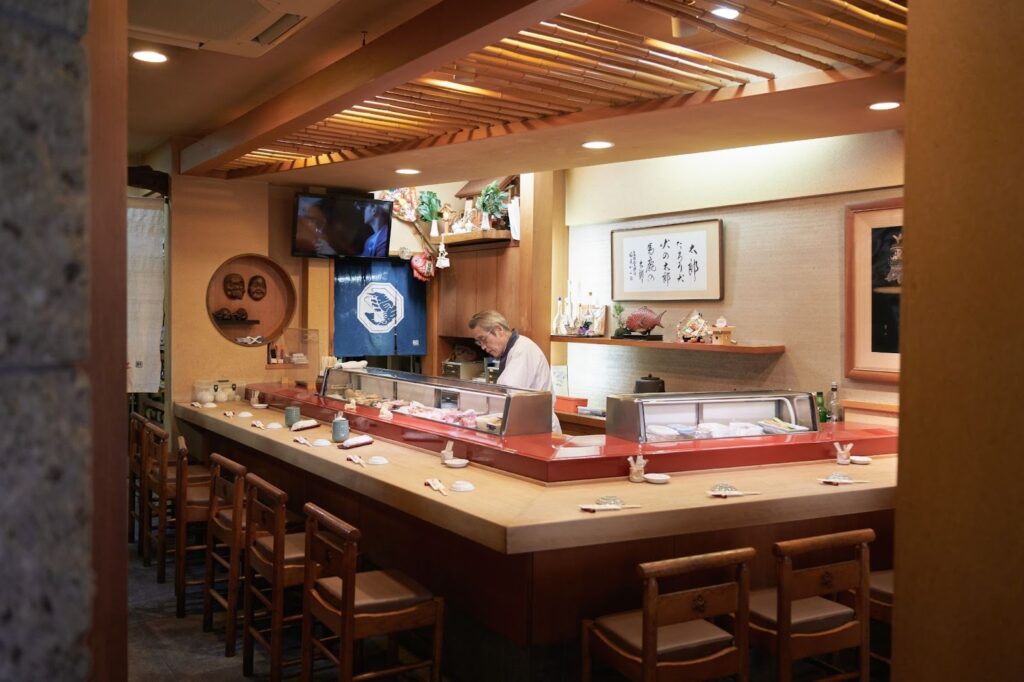
Caption/ Kiyo Sushi near Shinminato port, Imizu City, Toyama, Japan
Finding a good sushi restaurant often takes some effort. Common approaches include checking online rankings, relying on word of mouth, and asking for recommendations from locals, such as taxi drivers.
In City Centers
In city centers, the number of sushi restaurants and bars tends to be high, giving diners a wide range of options. Online rankings are a common starting point, and locals such as taxi drivers can also be valuable sources of information. Even in mid-sized cities, Michelin-starred restaurants may be found nearby, and the Michelin Guide can serve as a useful reference. For example, Toyama, with a population of approximately 500,000, boasts Michelin-listed sushi restaurants, such as SOTO, located in its city center.
Near Fish Ports
Sushi restaurants often flourish near fishing ports because of their direct access to freshly landed seafood. Catches are purchased by brokers, and sushi chefs can source fresh fish daily and bring it back to their restaurants quickly. This allows sushi bars and restaurants to serve high-quality local seafood as sushi. Travelers can learn about local establishments near fishing ports by visiting tourism information offices at major stations or public facilities, as well as by consulting with taxi drivers. Online rankings can also be helpful when sufficient information is available.
Typical Sushiya Menus and Prices
Although sushi restaurant menus depend on daily catches and the location of each establishment, they typically feature a wide range of seafood sourced from across Japan. From red-fleshed fish such as tuna and white-fleshed fish such as yellowtail to shellfish like scallops, sushi bars and restaurants purchase seafood through brokers and serve it as sushi.
Sushiya FAQs
What Does “Omakase” Mean at a Sushiya?
Omakase is a Japanese term meaning “the chef’s choice.” At a sushi bar, an omakase menu is determined by the chef based on factors such as the day’s catch and the season.
Do Sushiya Restaurants Serve Matcha?
Sushi bars and restaurants usually serve green tea, but it is not matcha. Although they may look similar, they are quite different. The green tea served at sushi restaurants is typically made from tea powder produced as a byproduct during the processing of regular green tea. Matcha, by contrast, is made by finely grinding specially grown tea leaves into powder. In other words, sushi bar green tea uses tea powder left over from green tea production, while matcha is intentionally ground from whole tea leaves from the start.
Sushiya: A Sushi Restaurant or Bar in Japan
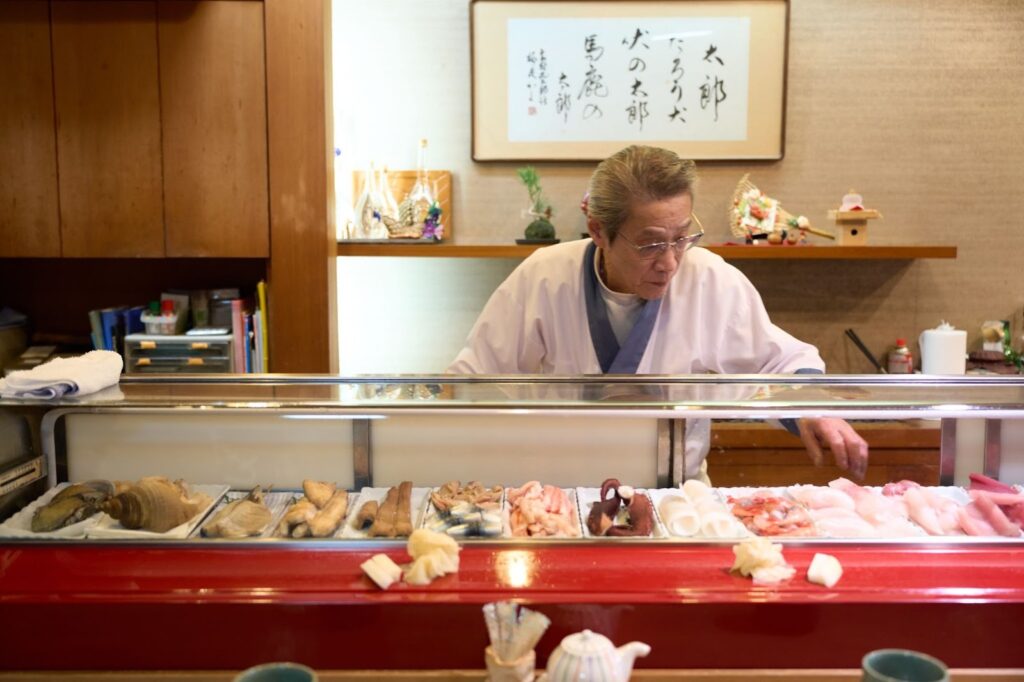
Caption/ Kiyo Sushi near Shinminato port, Imizu City, Toyama, Japan
Sushiya, meaning sushi bars or restaurants, can be found throughout Japan, with more than 20,000 establishments ranging from authentic sushi bars to major conveyor-belt sushi chains. Among them, you are sure to find a favorite. Each sushiya awaits you with its own distinctive offerings.
For those looking for delicious sushi nearby, click this Sushi Near Me map.
Photo by Kenta Nakajima
Research Sources
Kodansha International. The Kodansha Bilingual Encyclopedia of Japan. Kodansha, Tokyo, Japan.
Kawahara, Kazuhisa. Yomu Sushi Oishii Hanashi: 108 Neta. Bungeishunju, Tokyo, Japan.
Iwanami Shoten. Kōjien Dictionary. Iwanami Shoten, Tokyo, Japan.
Heibonsha. The World Encyclopedia, Revised Edition. Heibonsha, Tokyo, Japan.
Japan Tourism Agency. Sushi: JTA Sightseeing Database. Japan Tourism Agency, Tokyo, Japan.
Tatsumi, Yoshiyuki, and Tsuchida, Mitose. Why Sushi in Toyama Is So Delicious. Hokkoku Shimbunsha, Toyama, Japan.
SHARE to SNS