Savoring River Fish Sushi Nurtured by the Collaborative Work of Nature and People
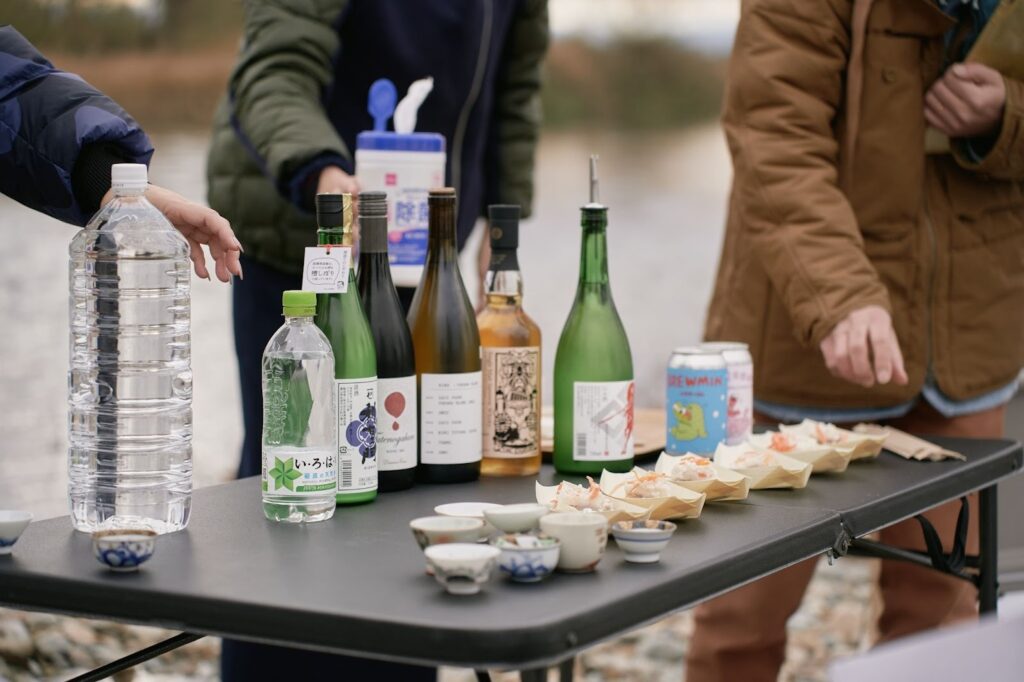
Sushi made with river fish is also indispensable to the diversity of sushi culture in Toyama Prefecture.
Narezushi, a fermented food often regarded as the origin of sushi, as well as oshi sushi (a type of early narezushi that evolved from it), were not made exclusively with ocean fish. They have long been prepared using an abundance of river fish as well.
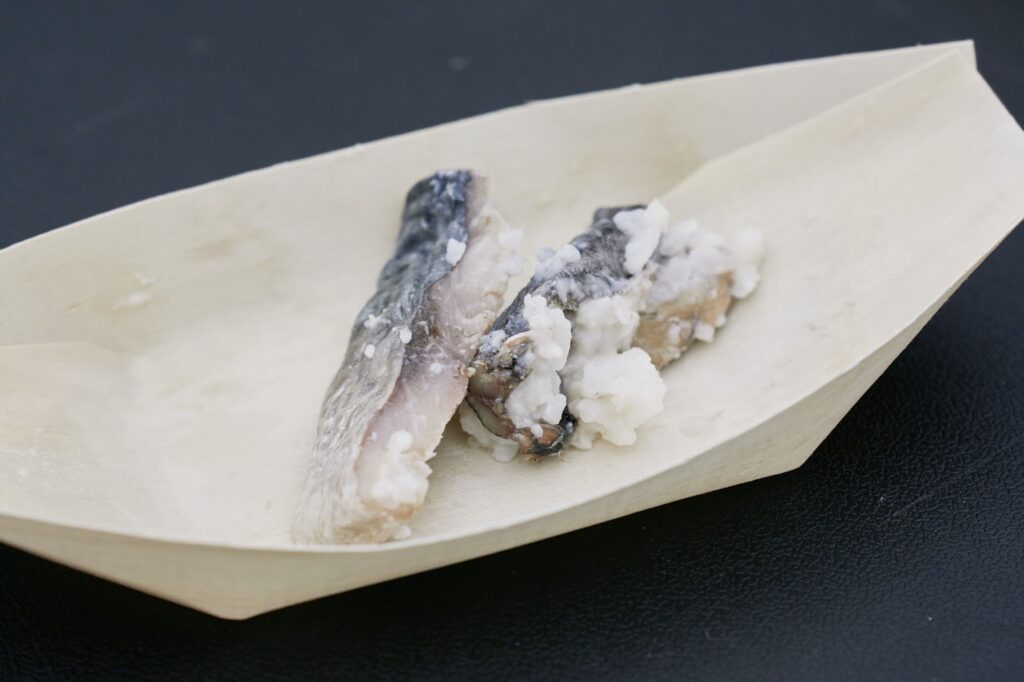
caption / Ayu (sweetfish) narezushi
Masu sushi, one of Toyama’s most iconic local specialties, has been made continuously since the Edo period (1603-1867) using cherry salmon (sakuramasu) that migrate upstream in the Jinzu River. Meanwhile, narezushi, preserved food in which ayu that still actively swim upstream are fermented together with rice over the course of years through lactic acid fermentation, has an even older history and remains deeply rooted in the region.
In Toyama, there are still environments today where these traditional river fish foods can be enjoyed at restaurants, at home or even taken along to be eaten by the riverside. The practice of processing and consuming the blessings of nature before one’s eyes through human hands. So to speak, a collaborative effort between people and nature remains vividly present in this region.
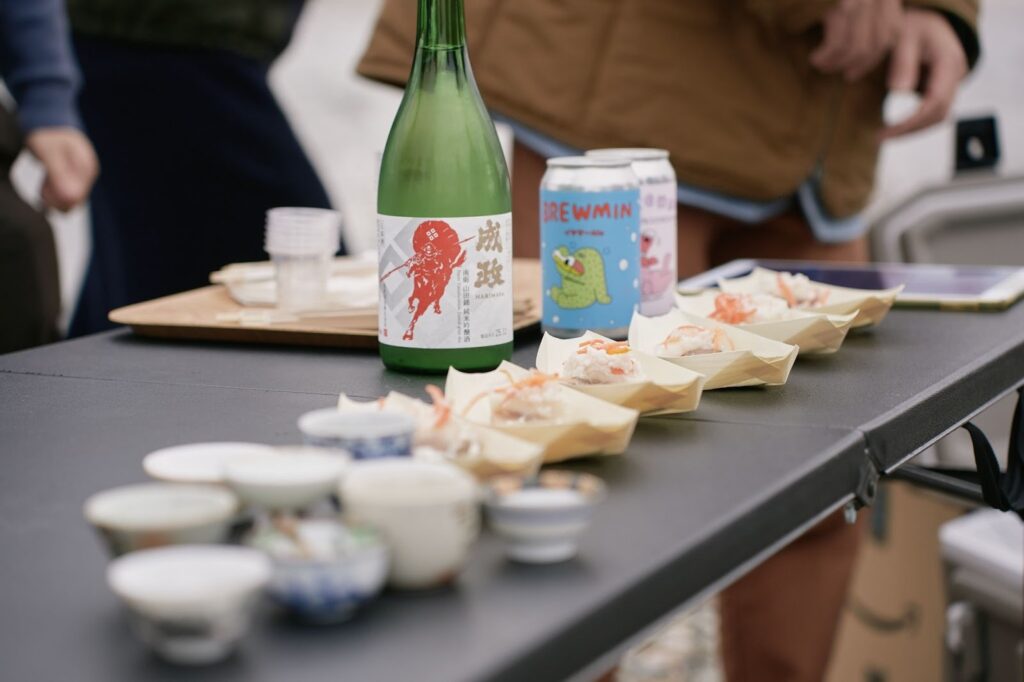
caption / Narezushi arranged on plates, kabura sushi (a type of pressed sushi), and local craft beer and local sake
Several rivers within the prefecture, originating in the Tateyama Mountain Range and the Hida Highlands, rush down from high elevations toward Toyama Bay. Along the way, they form alluvial fans and create a vast cycle of water between the mountains and the sea, fundamentally supporting everyday life in the region.
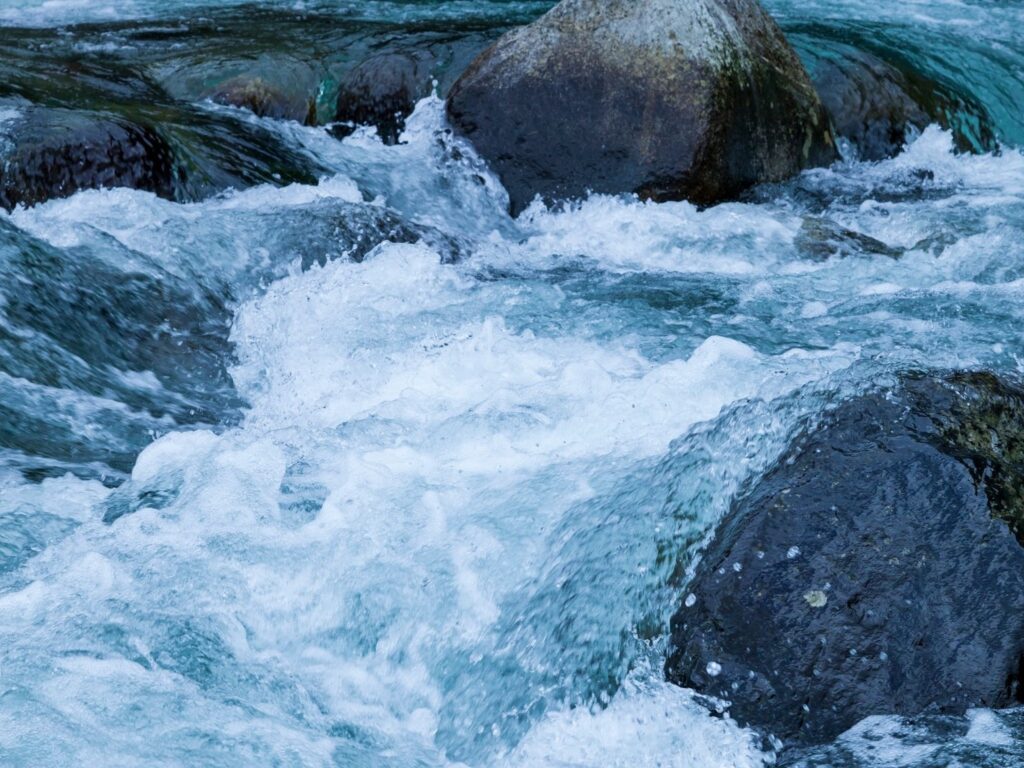
At the same time, Toyama’s rivers, so fast-flowing that Europeans have described them as “like waterfalls”, carry fine sand and silt swiftly out to sea. As a result, only coarse sand and stones remain on the riverbed. It is precisely this clean riverbed environment that allows river fish to spawn and thrive, bringing an abundance of freshwater bounty to Toyama.
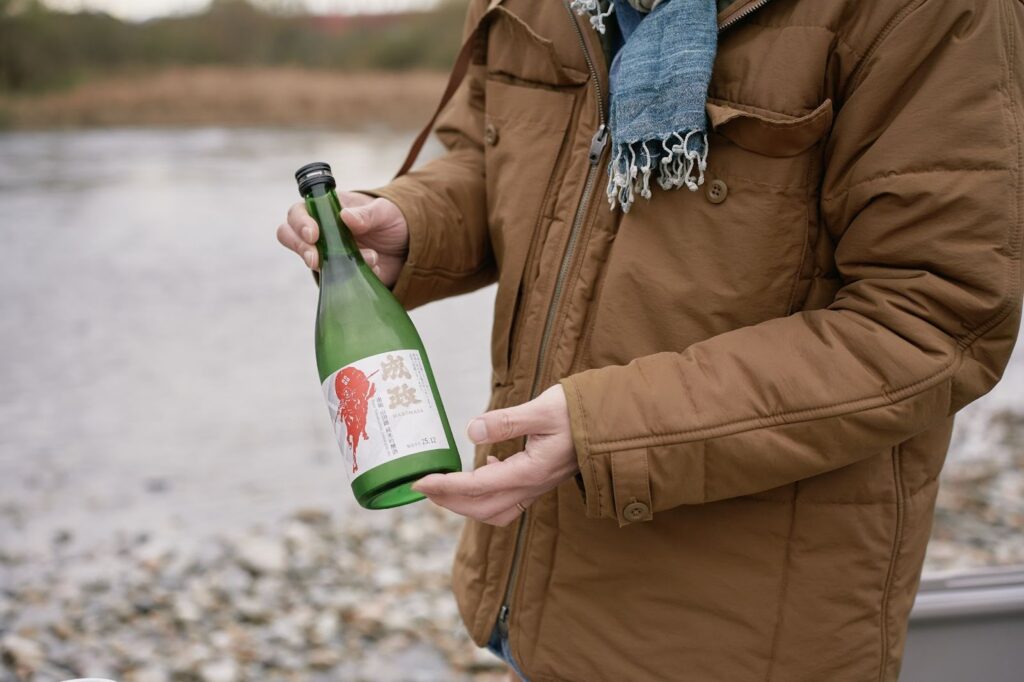
River fish sushi pairs exceptionally well with local sake made from sake rice grown on the alluvial fans of the same river systems. A representative example is Narimasa Sake Brewery’s Narimasa Sassa Narimasa (Red), Yamada Nishiki Junmai Ginjo.
Enjoying river fish sushi together with Japanese sake born from rice nurtured by the same waters, while listening closely to the sound of the flowing river and savoring the meal by the riverside, is yet another pleasure worth experiencing.
Contact Information
Toyama Masu Sushi Cooperative Association
Address: Marunouchi 2-4-17, Toyama City, Toyama, Japan
Contact: +81-76-421-1424
Narimasa Sake Brewery
Address: Tate 418, Nanto City, Toyama, Japan
Contact: +81-763-52-0204
Photo: Kenta Nakajima
(Only the photograph of the rapids is a free stock image)
SHARE to SNS