Kaiten Sushi (Conveyor Belt Sushi / 回転寿司): Meaning, etiquette, history, and FAQs
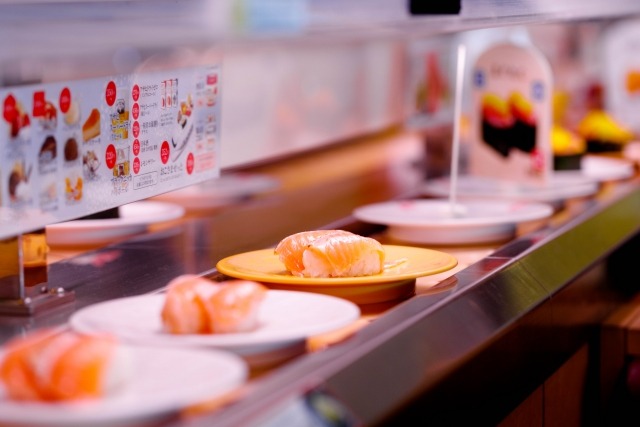

Kaiten sushi, also called kaiten zushi, means conveyor belt sushi, a fun and casual dining style invented in Japan. Sushi fans may be curious about kaiten sushi but still wonder what it really is, how the conveyor system works, and what the dining etiquette is like. Many people are also interested in its history and ongoing innovations. This article breaks down kaiten sushi in an easy way, helping you enjoy the experience more confidently and have even more fun at the restaurant.
Introduction: What Is Kaiten Sushi and Its Style?
Kaiten sushi is a type of sushi restaurant where plates of sushi are served on a conveyor belt. These restaurants generally offer sushi at lower prices than sushi bars run by individual chefs.
What Does “Kaiten Sushi” Mean in Japanese?
Kaiten sushi literally means “rotating sushi” in Japanese. Plates of sushi travel around the restaurant on conveyor belts, which is how this style of sushi dining gets its name.
How the Conveyor Belt System Works in Kaiten Sushi
Conveyor belts run past tables and booth seating, delivering plates of sushi from the chefs to diners. In the past, customers selected sushi directly from the belt according to their preferences. Today, however, most conveyor-belt sushi restaurants use touch panels at each seat or table, allowing diners to order specific items that are then delivered by the belt.
Kaiten Sushi Is Not the Same as Kaisen Sushi
Kaiten sushi and kaisen sushi have very similar spellings, but their meanings are completely different. Kaiten sushi refers to sushi served on conveyor belts, while kaisen sushi means sushi made with fresh seafood, as kaisen translates to “fresh seafood” in Japanese.
Dining Etiquette: How to Enjoy Kaiten Sushi and What to Expect
Conveyor-belt sushi restaurants tend to be casual dining places and do not require a dress code, but a basic understanding of etiquette and sushi customs helps ensure an enjoyable experience.
Make a Reservation or Wait for Your Turn
Conveyor-belt sushi restaurants are very popular, and during busy hours you may need to wait in line to get a seat. Reservations are not usually required, but they can help you avoid long waiting times.
Choose Your Sushi Plates
Once seated, you can choose your favorite sushi from the menu or a digital touch panel. In the past, diners picked plates directly from the conveyor belt as they passed by. Today, however, most kaiten sushi restaurants do not place sushi on the belt unless it has been ordered. Your selections are delivered to your seat via the conveyor belt.
Enjoy and Eat at Your Pace
The amount you eat depends on each diner. You may enjoy just one plate or many plates, with the total cost calculated for the group. After finishing your meal, you can request the bill and pay at the register near the entrance.
How Pricing Works at Kaiten Sushi
Pricing depends on each diner or group. Kaiten sushi, or conveyor-belt sushi restaurants, vary widely in quality and marketing strategy, and each brand has its own price range. According to a 2025 survey in Japan, the average consumption per diner was 11.6 plates costing about ¥2,214 (approximately $15) for men, and 8.2 plates costing about ¥1,667 (approximately $11) for women.
Kaiten Sushi History and Innovation
Kaiten sushi dates back to 1958, when the style originated in Osaka. Yoshiaki Shiraishi, the owner of a sushi restaurant, developed the concept after taking inspiration from the conveyor-belt system used in beer factories. By adopting conveyor belts to serve sushi, he was able to improve efficiency in restaurant operations. The idea was first tested in 1957, and the world’s first kaiten sushi restaurant opened in Osaka in 1958.
The Cultural Impact of Kaiten Sushi in Japan
Academic studies point out that one of the key cultural impacts of kaiten sushi is that it made sushi more affordable and accessible. Traditionally, sushi was regarded as a premium dish, often reserved for special occasions or celebrations. The introduction of conveyor-belt sushi restaurants lowered prices through efficiency and standardization, allowing more people to enjoy sushi casually. As a result, sushi became an everyday meal rather than an occasional luxury in modern Japan.
Kaiten Sushi FAQs
Where Can You Find Kaiten Sushi Restaurants in Japan?
Throughout Japan, kaiten sushi restaurants are relatively easy to find, as the five major conveyor-belt sushi chains operate more than 2,200 locations nationwide. In addition, many regions are home to locally run conveyor-belt sushi restaurants with their own distinctive styles.
Where Are the Best Conveyor Belt Sushi Spots in Ginza and Kyoto?
The best conveyor-belt sushi restaurants vary depending on individual preferences and expectations. In areas such as Ginza in Tokyo and Kyoto, there are many options, allowing diners to choose the one that suits them best.
What Is a Typical Menu at Kaiten Sushi?
Major conveyor-belt sushi chains can offer a wide variety of sushi toppings thanks to their strong purchasing power and large-scale facilities. In addition to sushi, these restaurants often serve a wide range of non-sushi items, such as desserts, noodles, and fruit.
Can You Find Kaiten Sushi in Hawaii?
In major cities around the world, including Hawaii, kaiten sushi restaurants can be found. In Hawaii, the opening of a conveyor-belt sushi restaurant by Michelin-starred Sushi Ginza Onodera in 2024 attracted significant attention and became a popular topic of conversation.
Kaiten Sushi: Conveyor Belts That Serve Sushi and a Fun Dining Experience
Kaiten sushi, or conveyor-belt sushi, is a welcoming way to enjoy sushi. Its casual, friendly atmosphere lowers the psychological barrier for first-time diners and makes it easy to step inside. The quality of sushi is also generally reliable. For those new to sushi, conveyor-belt sushi is an excellent option.
For those looking for delicious kaiten sushi nearby, click this Sushi Near Me map.
Research Sources
Kodansha International. The Kodansha Bilingual Encyclopedia of Japan. Kodansha, Tokyo, Japan.
Kawahara, Kazuhisa. Yomu Sushi Oishii Hanashi: 108 Neta. Bungeishunju, Tokyo, Japan.
Iwanami Shoten. Kōjien Dictionary. Iwanami Shoten, Tokyo, Japan.
Heibonsha. The World Encyclopedia, Revised Edition. Heibonsha, Tokyo, Japan.
Japan Tourism Agency. Sushi: JTA Sightseeing Database. Japan Tourism Agency, Tokyo, Japan.
Tatsumi, Yoshiyuki, and Tsuchida, Mitose. Why Sushi in Toyama Is So Delicious. Hokkoku Shimbunsha, Toyama, Japan.
SHARE to SNS