Origin of Sushi: A Look Into the History
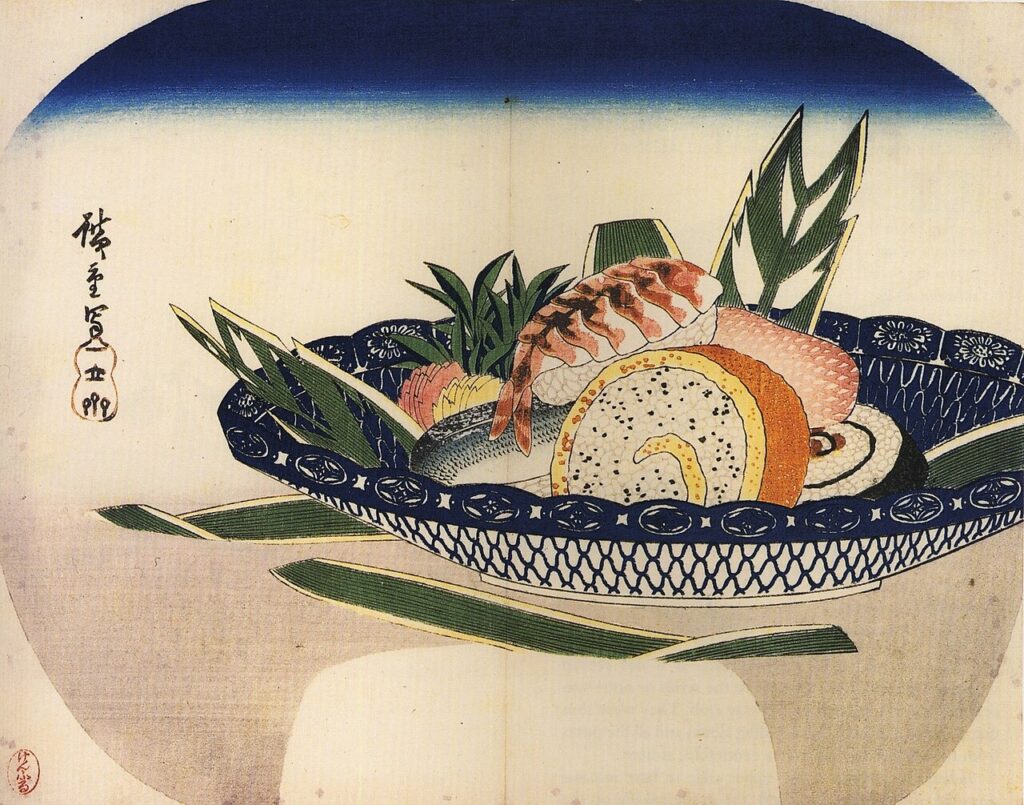
Early History and Origin: Where Did Sushi First Come From?
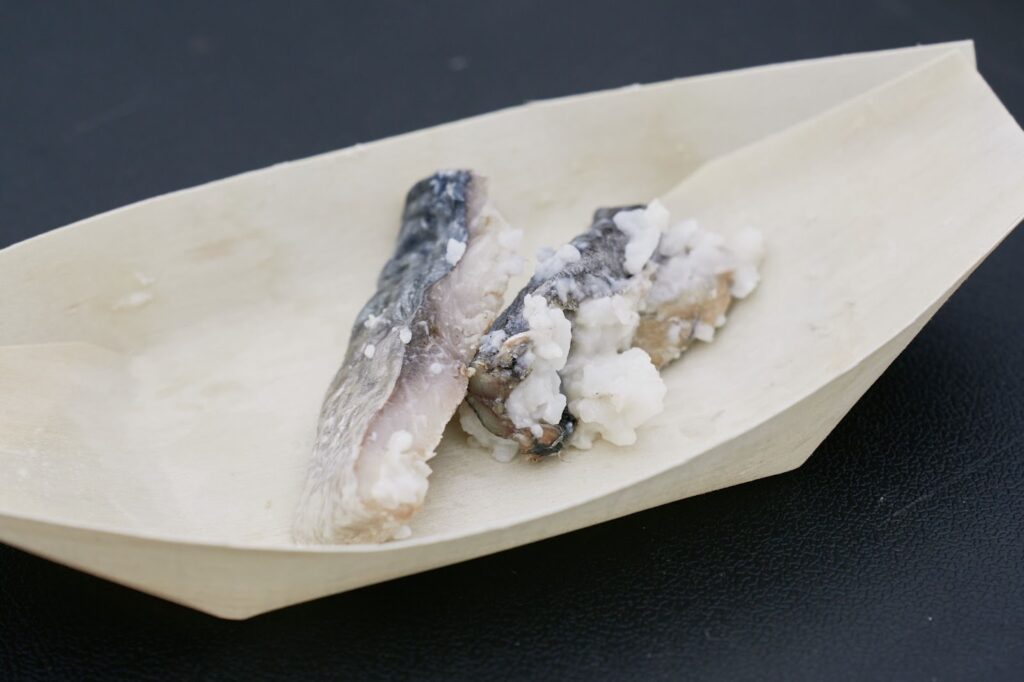
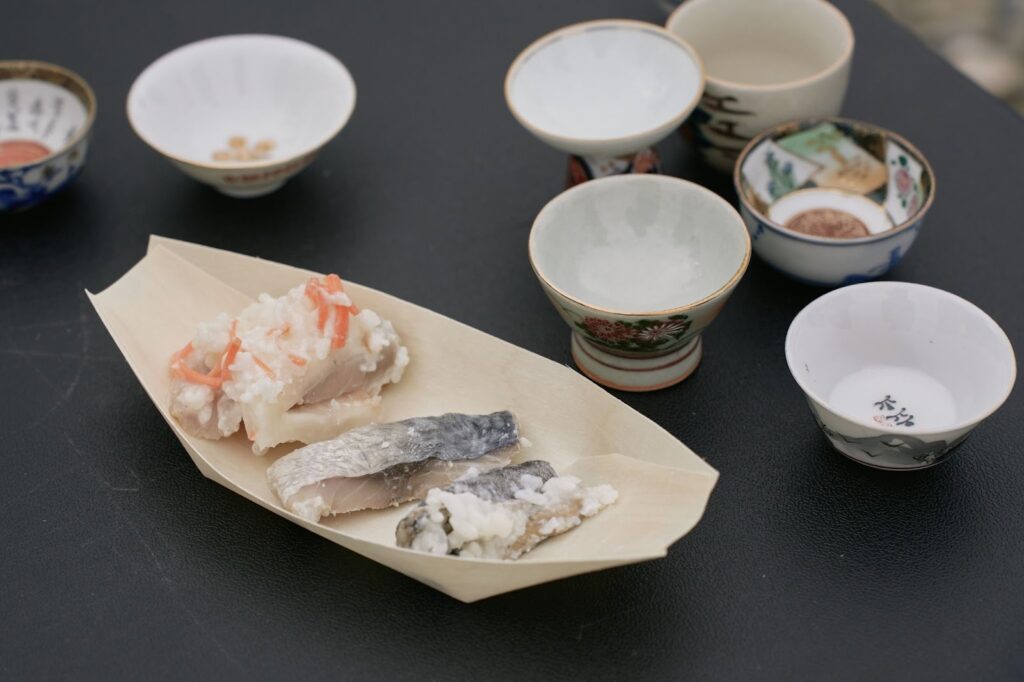
Sushi comes in many types, and the well-known nigiri sushi is just one of them. The earliest form of sushi was naturally fermented fish, called narezushi. In Southeast and East Asia, people preserved fish by packing it in rice and salt and leaving it for several months or even a year. When eating this fermented food, they would discard the rice and eat only the pickled fish. This method came to Japan, and the naturally fermented fish began to be called Narezushi in Japanese. This is mentioned in a Japanese history book from the 8th century, and this fermented fish became the ancestor of all sushi we know today.
The Origin and History Timeline of Sushi
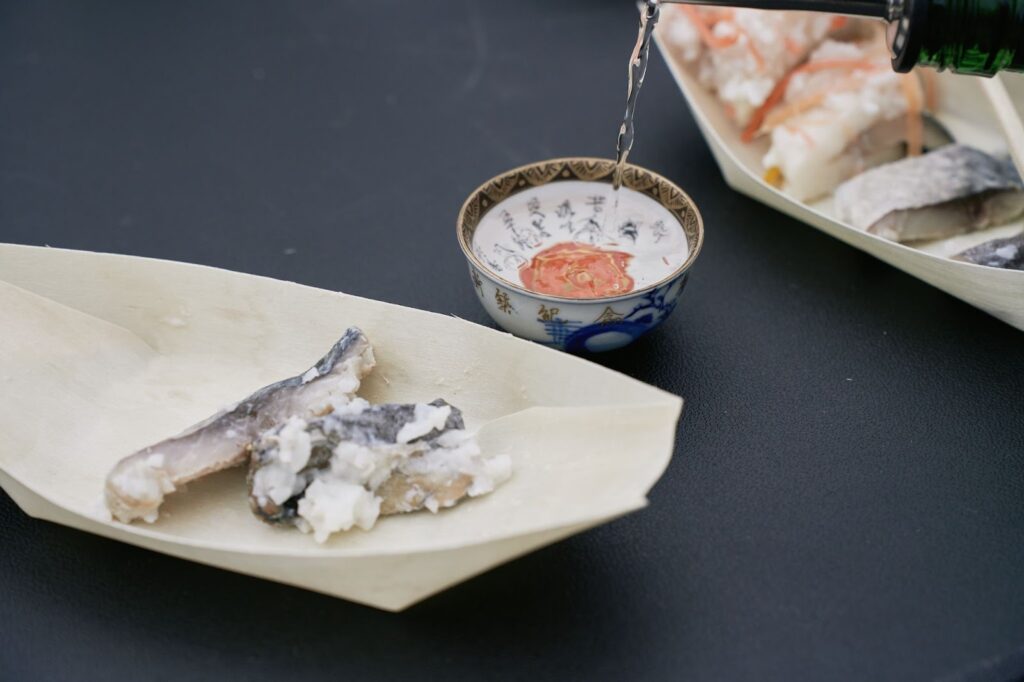
8th Century: The Birth of Narezushi(Fermented Fish)
Fermented fish called narezushi appears in a Japanese history book from the 8th century. Making this type of sushi takes a long time, and the style still exists in Japan today.
Muromachi Period 1336 to 1573: Nama-narezushi(Semi-fermented Fish with Rice)
During this period, narezushi evolved into a semi-fermented style called nama-narezushi. Vinegar was used to shorten the fermentation period to days or weeks. The rice no longer dissolved, and people began eating both the fish and rice together for the first time.
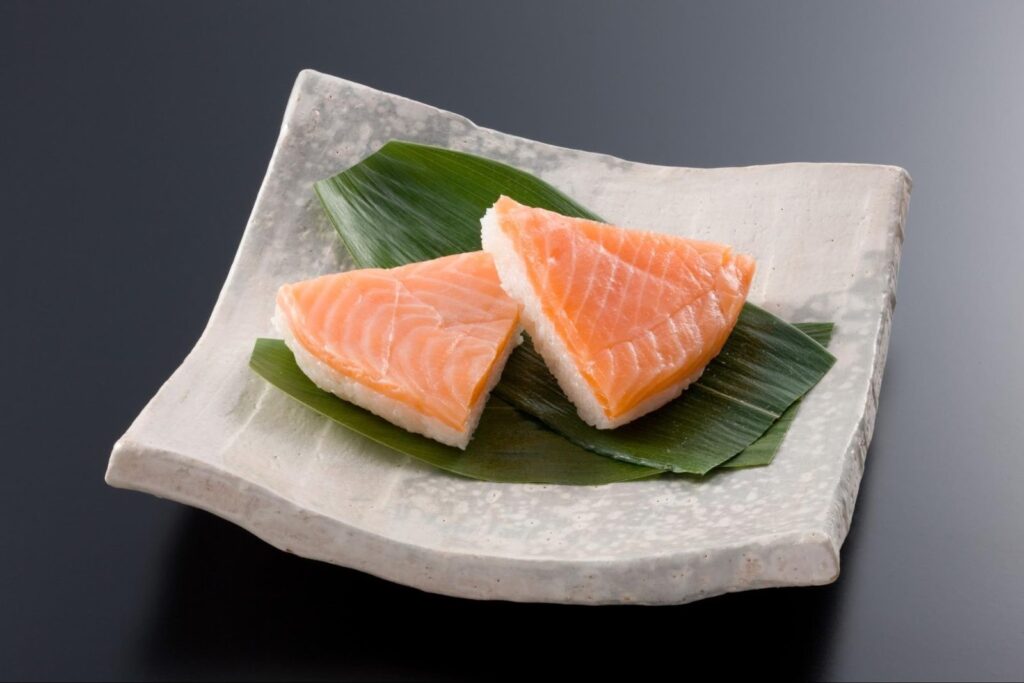
Edo Period (1603–1867): The Birth of Quick Sushi, Including Oshi Sushi
Later, chefs found ways to skip fermentation and used vinegar to add a sour flavor. This led to quick sushi, known as hayazushi, which became the foundation of modern sushi styles. One early method involved packing vinegared rice and seafood into a box or mold and pressing it with a heavy stone. This became oshi sushi, or pressed sushi, which is still enjoyed today.
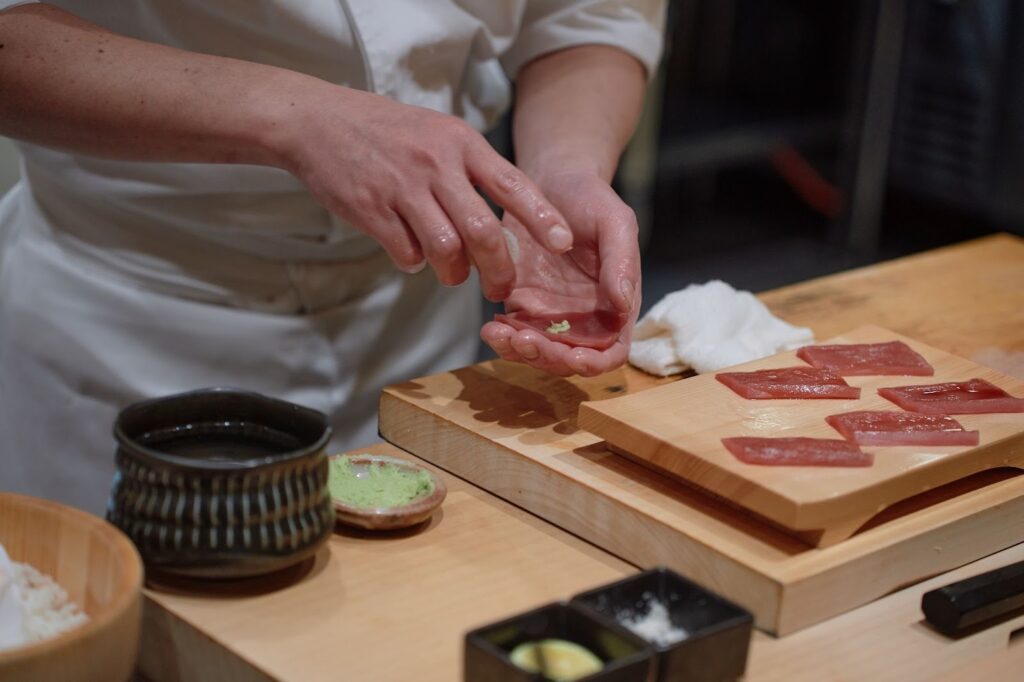
Late Edo Period (around 1818–1830): The Birth of Nigiri Sushi
During the Edo period, nigiri sushi appeared as a variation of quick sushi. Several chefs experimented with the style, but Hanaya Yohei is widely credited with creating the modern form. It consists of a hand-shaped ball of vinegared rice topped or combined with ingredients such as raw fish or shellfish.
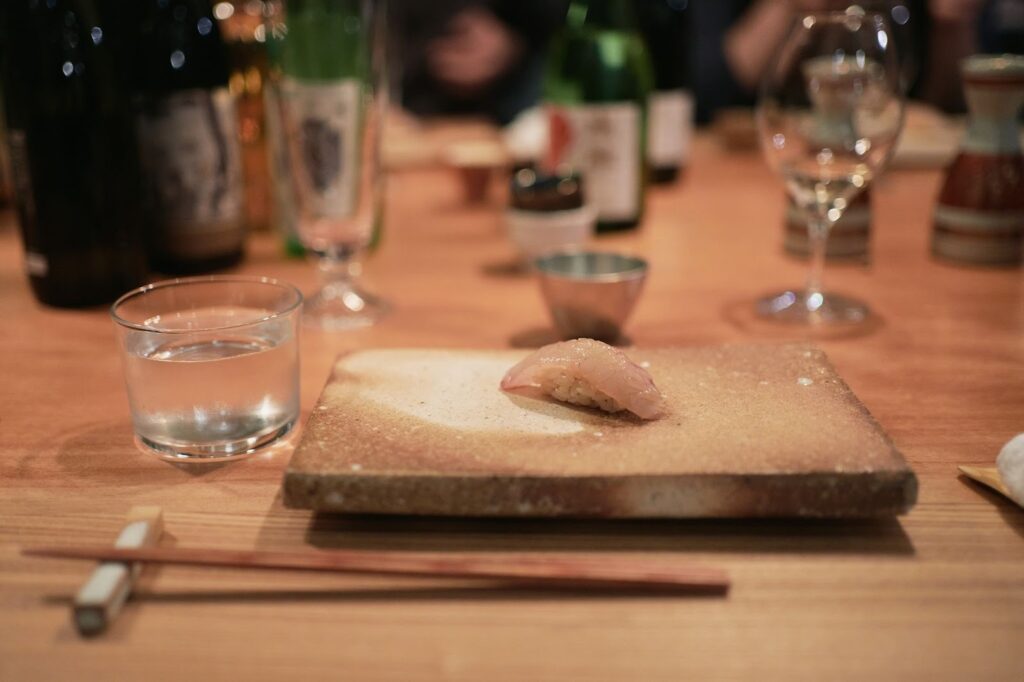
Post–World War II: The Nationwide Spread of Edomae Sushi
This modern Edo (Tokyo)–style nigiri sushi is also known as edomae sushi, meaning sushi made with seafood from Tokyo Bay, a nutrient-rich inner bay that stretches out in front of Edo. It gained popularity in Edo, later Tokyo, over roughly two hundred years. After World War II, Tokyo-style nigiri sushi spread throughout Japan and eventually to the rest of the world.
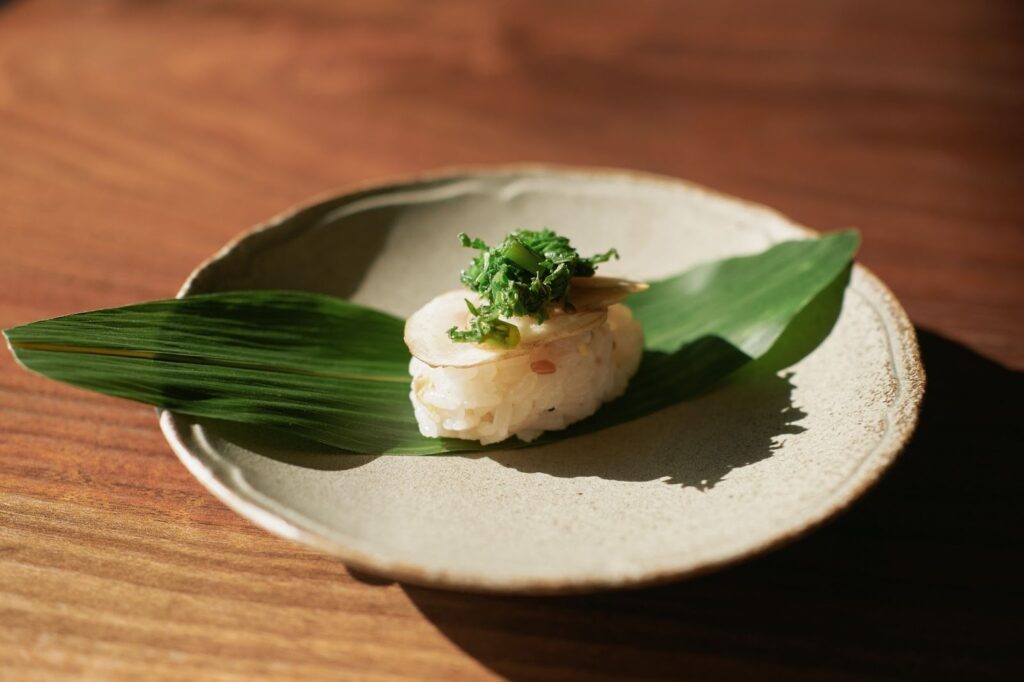
Today: Ongoing Innovation in Nigiri Sushi
Today, sushi, especially nigiri sushi, is seen as a symbol of Japanese cuisine, and people enjoy many different styles of sushi in their daily lives.
Sushi Origin and Facts: FAQs
Is Sushi Originally Norwegian?
Sushi originally comes from Japan, not Norway. However, the idea of using raw salmon for sushi, especially salmon nigiri, was introduced to Japan by Norway. In the 1980s, Norway promoted its farmed salmon in Japan, which helped make salmon a popular and trusted sushi topping.
Is Sushi Considered Japanese or Chinese?
Sushi is Japanese cuisine, not Chinese. That said, its earliest form, narezushi, a fermented fish dish, traces back to Southeast and East Asia and likely spread to Japan through regions that are now part of China.
Was Sushi Invented in America?
Sushi, especially nigiri sushi, was invented in Japan, not the United States. That said, California rolls were created in the U.S. as a local twist on sushi.
How Did the Origin of Sushi Develop in America?
Sushi, especially nigiri, was developed in Japan, not the United States. California rolls, however, were created in the U.S. to suit American tastes. At the time, many Americans were uncomfortable with raw fish and the black color of nori (seaweed), so chefs turned the rolls inside out and used familiar ingredients like avocado and imitation crab to make sushi feel more approachable.
Tracing Sushi’s Origins and History to Enjoy It More
Knowing the history and origins of sushi can make your dining experience even better, since food knowledge can actually influence how things taste. Think of sushi history as the perfect seasoning for your next sushi meal.
For those looking for sushi bars or restaurants nearby where they can discuss sushi history, click this Sushi Near Me map.
Photo by Kenta Nakajima
Research Sources
Kodansha International. The Kodansha Bilingual Encyclopedia of Japan. Kodansha, Tokyo, Japan.
Kawahara, Kazuhisa. 読む寿司オイシイ話108ネタ. Bungeishunju, Tokyo, Japan.
Iwanami Shoten. 広辞苑. Iwanami Shoten, Tokyo, Japan.
Heibonsha. 海底新版 世界大百科事典. Heibonsha, Tokyo, Japan.
Japan Tourism Agency. Sushi JTA Sightseeing Database. Japan Tourism Agency, Tokyo, Japan.
Shogakukan. 大辞泉. Shogakukan, Tokyo, JapanTatsumi Yoshiyuki & Tsuchida Mitose. Why Sushi in Toyama Is So Delicious. Hokkoku Shimbunsha, Toyama, Japan.
SHARE to SNS