Sushi and Sake Pairing: What Sake Pairs Well with Sushi?
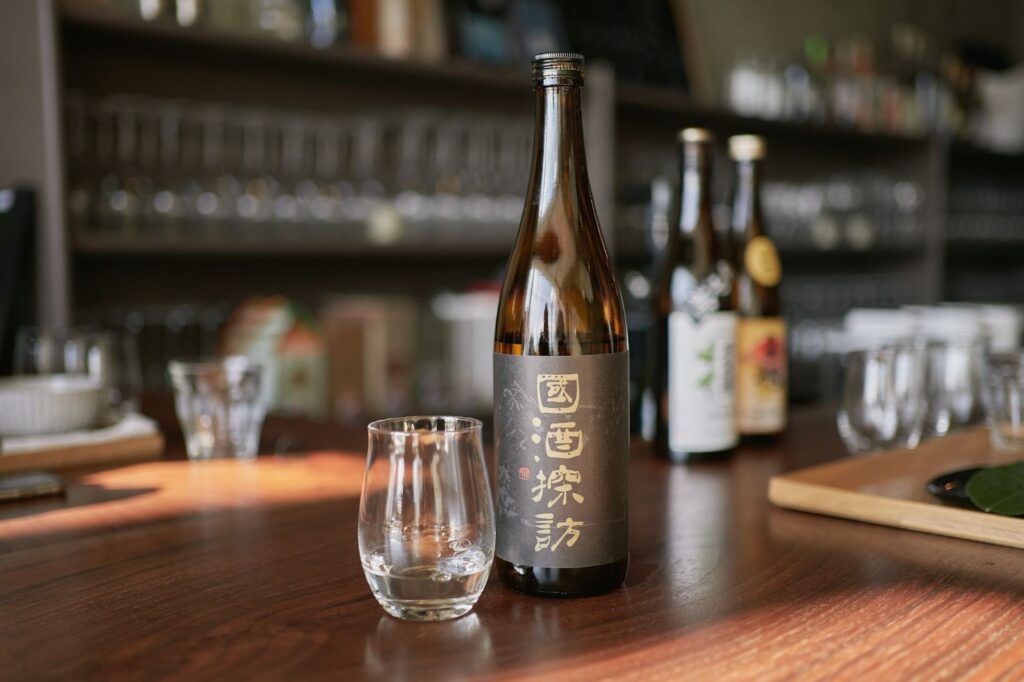

Sushi and sake are a natural pairing, rooted in Japan’s rich culinary tradition. As you learn the differences between ginjo, junmai, and nigori sake, the experience becomes even more rewarding, revealing new flavors in every bite of sushi. In this article, we break down the basics of sushi and sake pairing in an easy, beginner-friendly way. We also share specific sake recommendations from sake sommelier Noriko Ikemoeri to help you find the perfect bottle for your next sushi meal.
Basic Guidelines for Pairing Sushi and Sake
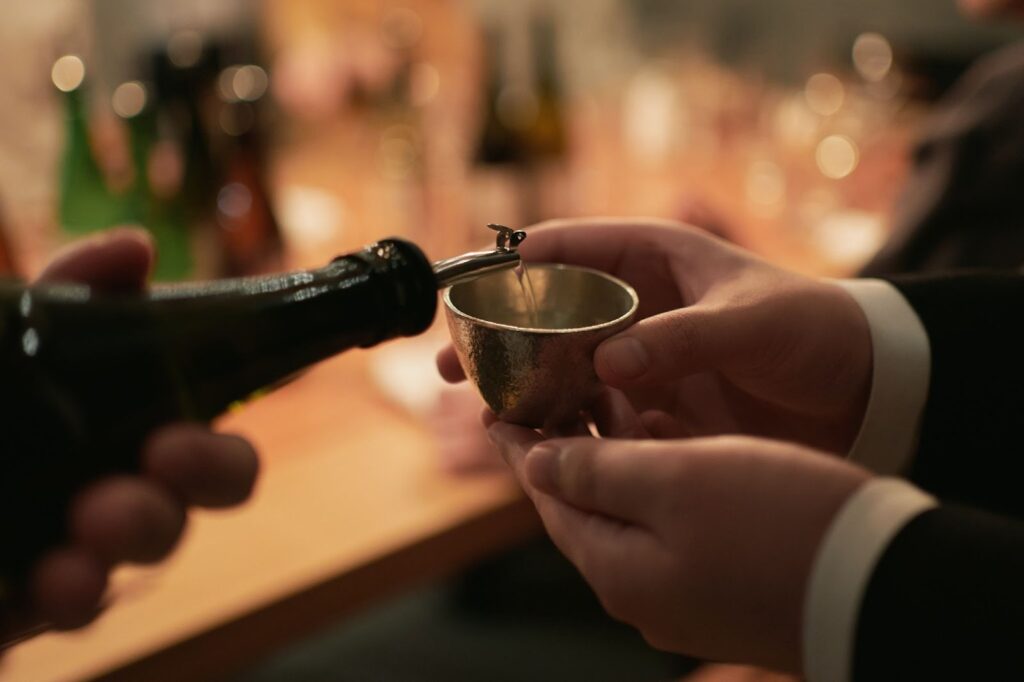
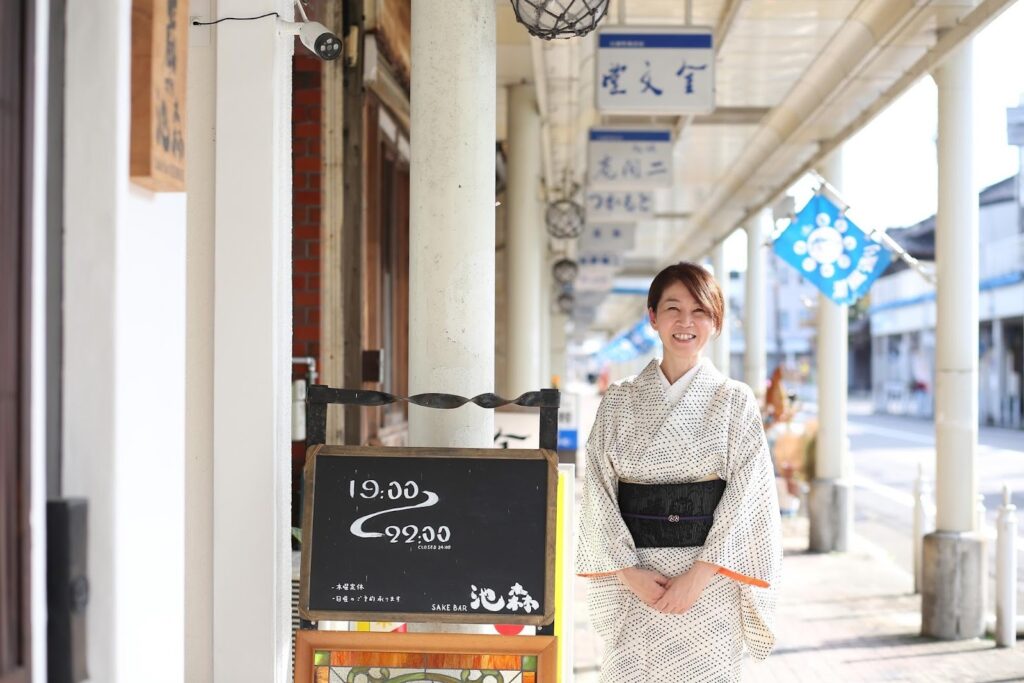
When it comes to classic sushi and sake pairings, sake sommelier Noriko Ikemori explains that a simple underlying concept guides the approach.
According to Ikemori, successful sushi and sake pairings are built on one of two principles: harmony or contrast. In some cases, the flavors of the sushi and the sake are brought closer together so they resonate and enhance one another. In others, one element gently softens or balances the other, smoothing sharp edges and allowing the distinct qualities of both to shine.
To make this idea easier to understand, Ikemori groups sushi toppings into five broad categories and explains the general direction of sake that pairs well with each.
- Delicate toppings such as white fish or squid pair well with dry, refreshing sake. These styles highlight the subtle umami of the ingredients without overpowering them, creating a sense of harmony.
- Fatty toppings benefit from sake with a clean, crisp finish or a sake with deep, concentrated umami. Such sake can absorb the richness of the fish while refreshing the palate and restoring balance, an example of contrast.
- Sweet shrimp, glass shrimp, and shellfish are best matched with clean, transparent-tasting sake with minimal off-flavors. These sakes gently draw out the natural sweetness of the seafood, resulting in a harmonious pairing.
- Rich toppings, such as eel glazed with sweet sauce, call for umami-forward, full-bodied sake. When both the sushi and the sake share depth and intensity, their flavors resonate, producing a deeply satisfying combination.
- Sushi seasoned with citrus, such as kabosu, pairs beautifully with fruity sake. The fresh aromas complement one another, overlapping to create a bright, lingering finish.
That said, Ikemori emphasizes that sake’s range is extraordinarily broad, and there is no single “correct” pairing. Because personal taste varies so widely, exploring sushi and sake pairings remains an endlessly fascinating and rewarding experience.
Sushi and Sake Classic Pairings: Best Ideas and Menus
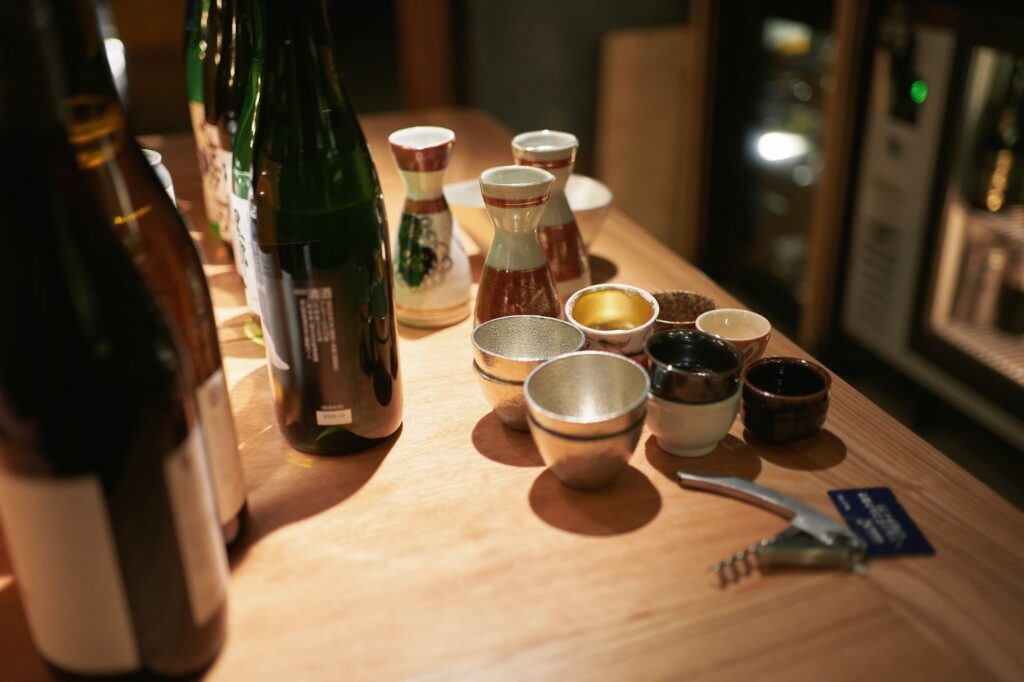
Below are examples of the pairings introduced above. Working with local Toyama sake, Noriko Ikemori shares practical pairing ideas that bring the concepts discussed earlier to life, showing how acidity can lift delicate white fish, how umami and sharpness complement red-fleshed fish, and how balance plays an important role when pairing sake with maki sushi.
Best Sake Pairings for Salmon Sushi
Masuizumi Junmai Daiginjo Special is an ideal match for salmon. Its refined rice-derived umami blends seamlessly with the fish’s rich, buttery fat, creating a sense of harmony that allows each to enhance the other’s character. The sake’s elegance softens the richness of the salmon, while the salmon, in turn, amplifies the depth and sweetness of the sake, resulting in a well-balanced and satisfying pairing.
Best Sake Pairings for Tuna Sushi
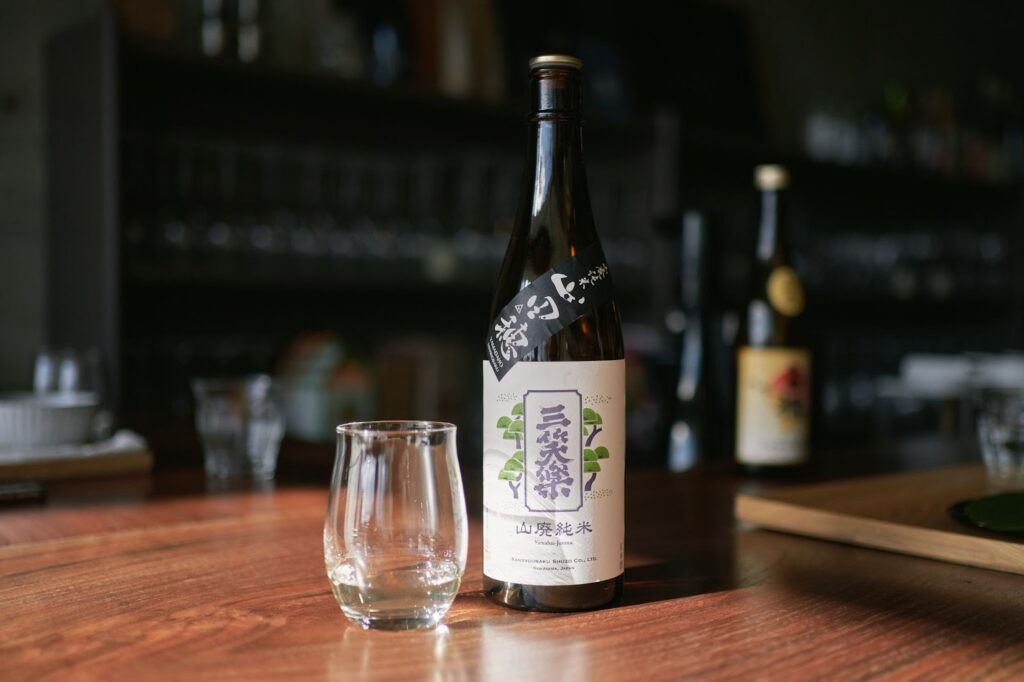
Sanshouraku Yamahai Junmai pairs beautifully with fatty sushi toppings. Its deep umami and lively acidity cut cleanly through the richness of the fish, washing away excess fat and leaving the palate refreshed. The sake’s bold character supports the topping without overwhelming it, creating a pairing that feels both powerful and well-balanced.
IWA from a sake brewery founded by Richard Geoffroy, who once led Dom Pérignon, is also a sake with enough presence to stand up to the deep umami of tuna. Its complex, powerful layers of umami and acidity unfold gradually, allowing the pairing to be enjoyed with a long, lingering finish that stays in harmony with the richness of the fish.
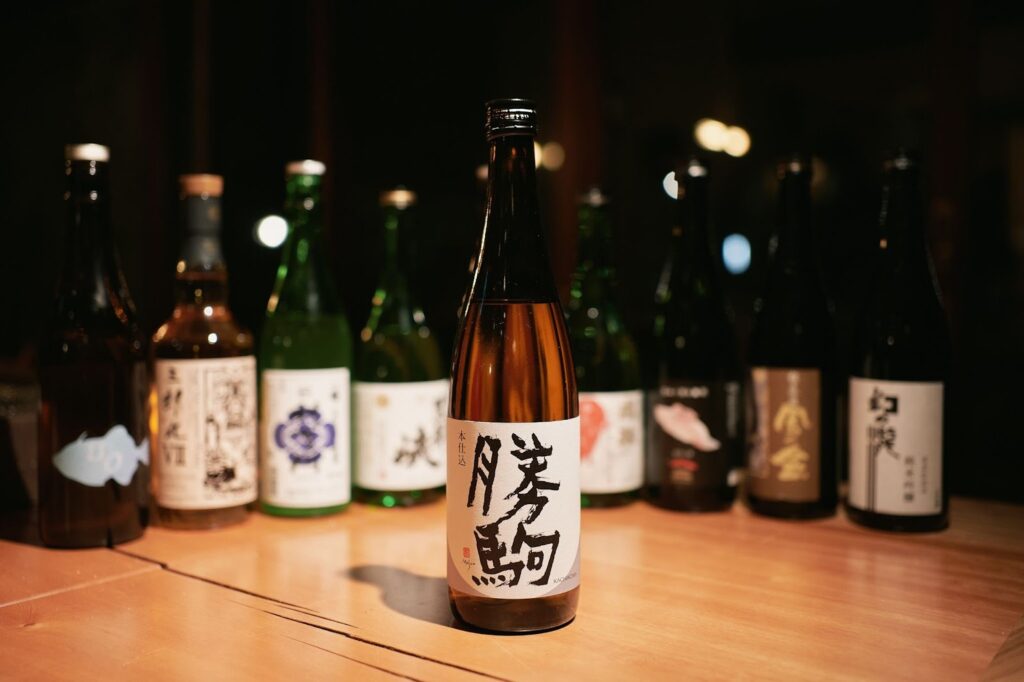
Kachikoma Honjikomi pairs well with tuna and other umami-rich toppings. Its firm structure is supported by a dry profile that embraces the flavor of the fish, then clears the palate with a clean, refreshing finish.
Best Sake Pairings for Yellowtail (Hamachi)
Arisoakebono Tairyo Bata is a clean, dry sake with a sharp finish that works especially well with yellowtail. Its crisp profile cuts through the rich fat of the fish, refreshing the palate and allowing the natural umami of the buri (yellowtail) to come through with clarity.
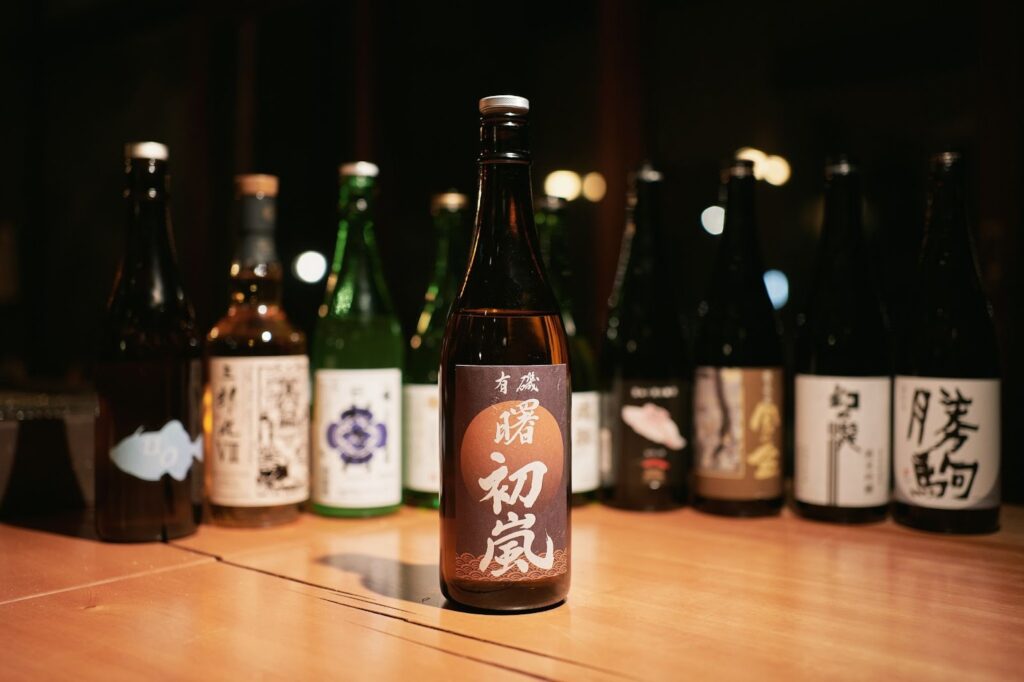
Also brewed in Himi, Toyama, Japan, Arisoakebono Hatsuarashi Junmai offers another approach to pairing with yellowtail. Made with a different rice variety from Arisoakebono Tairyo Bata, it presents a distinct expression of umami and balance.
Tasting these two sakes side by side while enjoying the same yellowtail sushi highlights how subtle differences in rice and brewing style can shape the pairing experience.
Best Sake Pairings for California Rolls
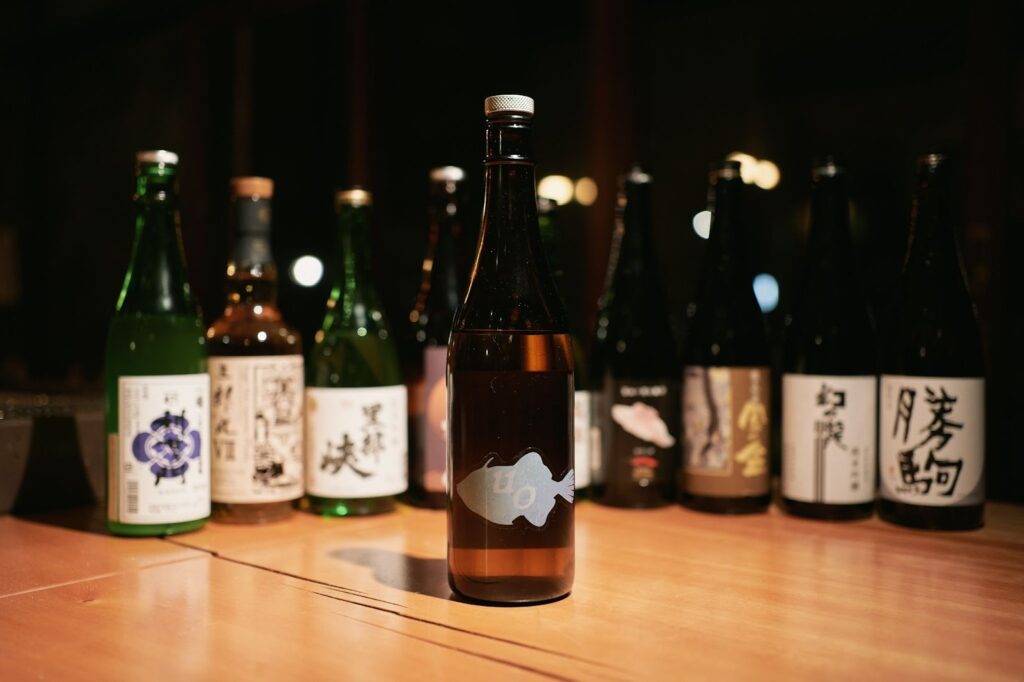
UO pairs well with California rolls, especially when served chilled. The gentle acidity of the sake aligns with the mayonnaise, and when enjoyed cold, its malic acid becomes more pronounced. This subtle brightness blends smoothly with the richness of the roll, creating a harmonious and refreshing pairing.
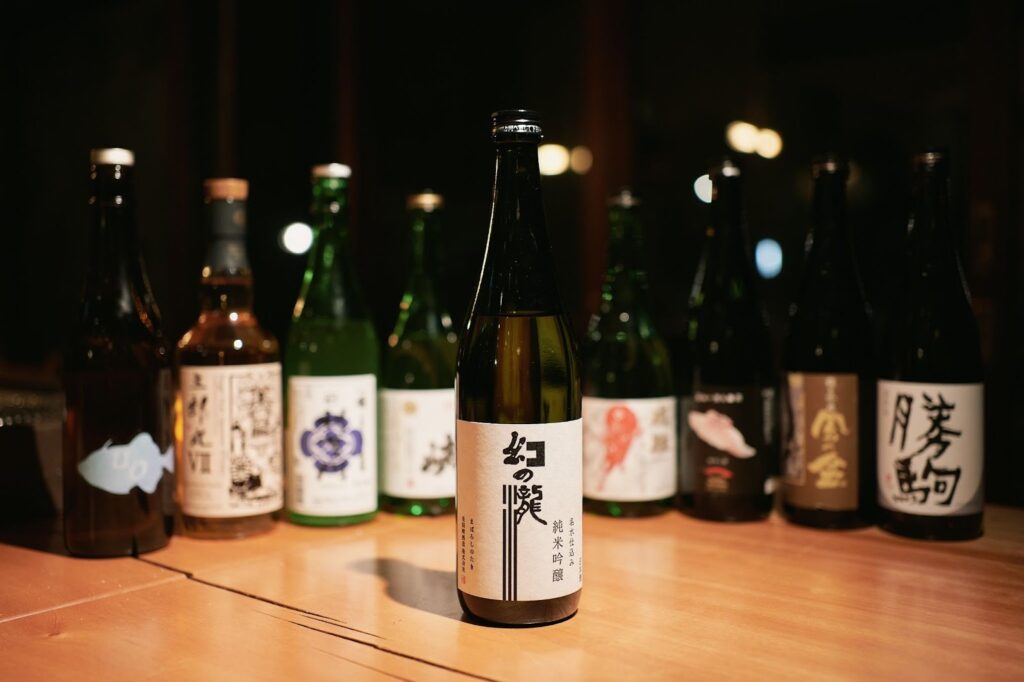
Maboroshi no Taki Junmai Ginjo is characterized by a firm acidity followed by a broad, rice-driven umami. As the flavors unfold, a faint hint of bitterness emerges and mingles with the umami, creating a layered and complex profile. This depth carries through to a lingering finish that complements the rich and seasoned flavors of the California roll.
Best Sake Pairings for Complex Sushi Rolls
Junmai Ginjo Kaze no Bon pairs beautifully with maki sushi. Its rich, rounded body and deep rice-driven umami gently complement the oceanic aroma of the nori, or seaweed. The sake does not overpower the roll but instead lingers softly on the palate, allowing the flavors of the rice, seaweed, and fillings to unfold in harmony.
Best Sake Pairings for Spicy Sushi
When pairing sake with spicy sushi, it is best to avoid sweeter styles. When sweetness and spice combine, the balance can easily feel heavy or disjointed.
Instead, the sake that softens and calms the heat works more effectively. A clean, refined sake with minimal off flavors helps moderate the spice while keeping the flavors in balance.
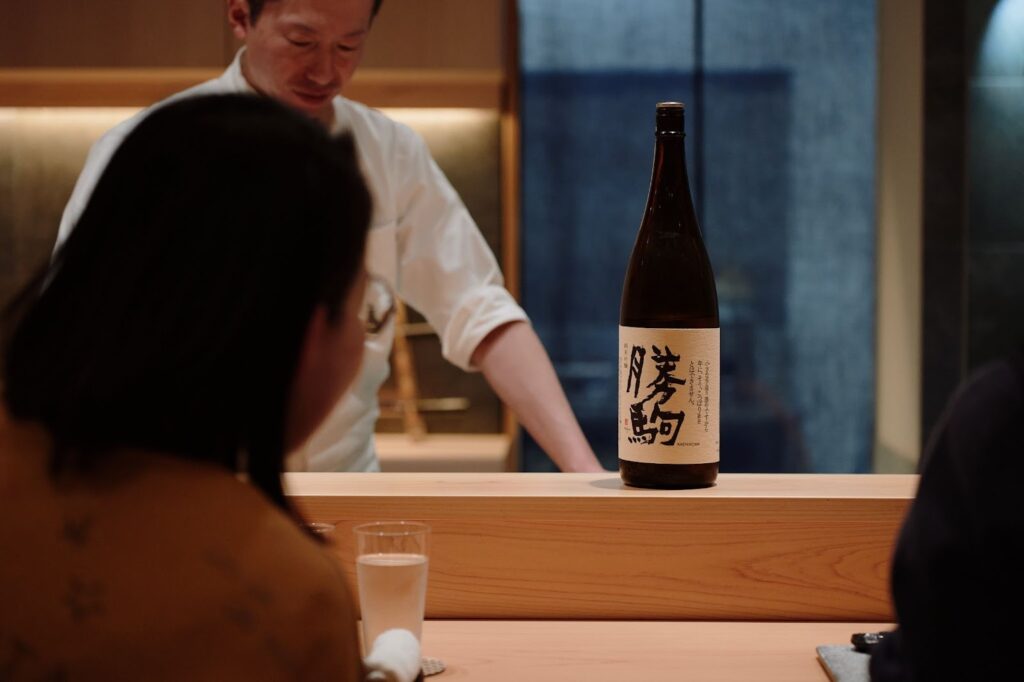
Kachikoma Honjikomi, with its clarity and restraint, is a good example of a sake that complements spicy sushi without competing with it.
Best Sake Pairings for Strong-Flavored Fish Sushi like Nare Sushi
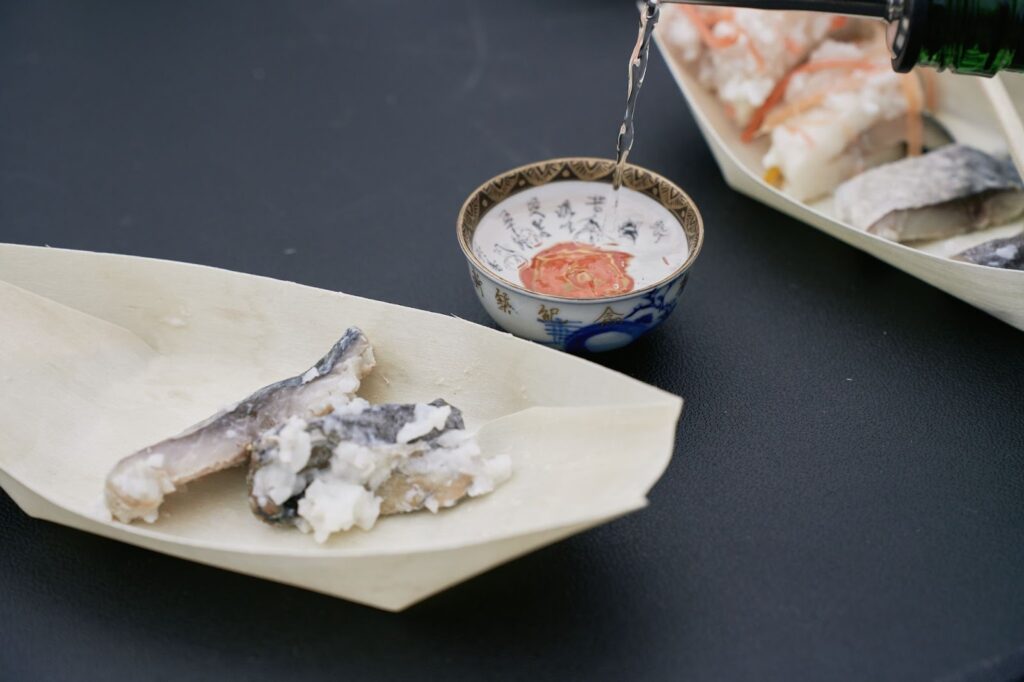
Deep fermentation-driven flavors such as narezushi pair well with junmai sake, kunshu and aged sake. Kunshu refers to aromatic sake, known for its expressive fragrance often derived from rice and fermentation rather than added flavor. These styles, along with matured sake, offer the depth and umami needed to match the intense, fermented character of narezushi.
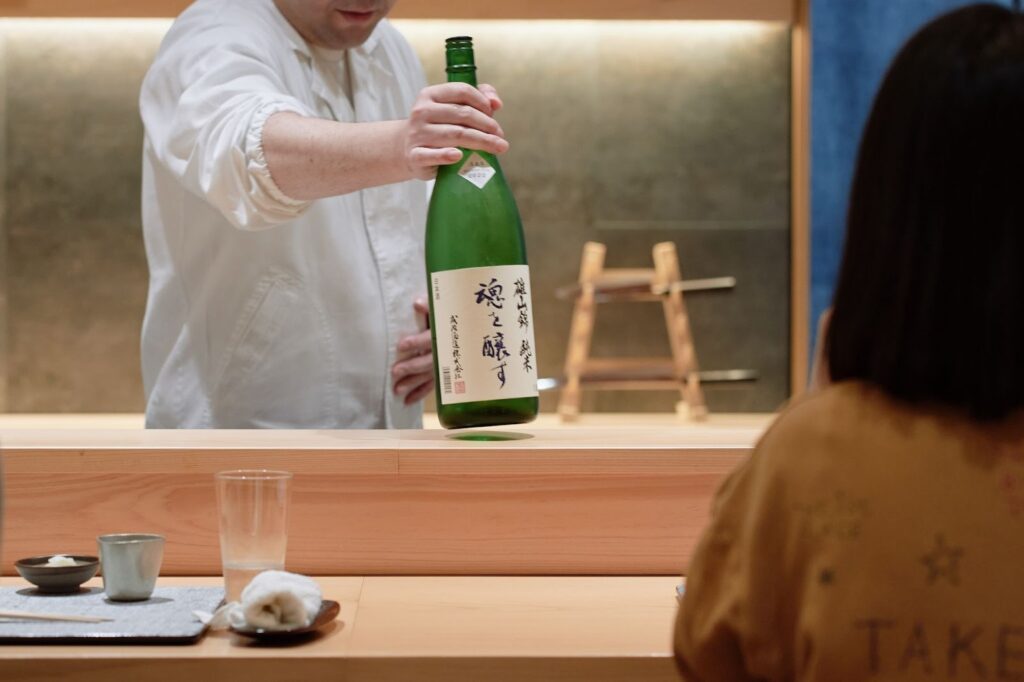
Sake made exclusively from rice, koji, and water (such as junmai sake) develops a layered richness that resonates with the dish. Examples include Narimasa Tamashii wo Kamosu and Kurobekyo Ginjo, both of which provide complexity and a lingering finish that allow the flavors of narezushi to unfold gradually and harmoniously.
Hot vs. Cold Sake: Which Temperature Works Best with Sushi?
According to sake sommelier Noriko Ikemori, the temperature of sake can significantly influence how it pairs with sushi.
Cold (or room temperature) sake is generally the most suitable for sushi. It allows the true flavor of the sake to come through clearly and matches the temperature of the sushi itself, creating a harmonious balance.
Hot sake, on the other hand, brings out the rich, rice-driven flavors of the sake, making it a good match for sushi with warm or intensely flavored toppings, such as eel or anago.
Ikemori notes that while room temperature is usually ideal, adjusting the temperature can sometimes enhance the pairing. For fatty fish, sake served chilled at 5–10°C offers a clean, refreshing finish that cuts through the richness. Slightly warming the sake can also help the umami of the sake and the acidity of the sushi harmonize beautifully.
Sushi FAQs
Sake sommelier Noriko Ikemori answers some of the most frequently asked questions about sushi and sake.
Which Sushi Pairs Well with Ginjo Sake?
Ginjo sake, a fragrant and refined style of Japanese sake, pairs well with sushi seasoned with citrus such as sudachi or kabosu, as well as with delicate toppings like white fish, squid, octopus, and scallops that do not overpower its aroma.
Which Sushi Pairs Well with Junmai Sake?
Junmai sake, a rich, rice-driven and umami-forward sake, pairs well with sushi featuring bold flavors that can stand up to its depth, such as fatty tuna, bonito, anago, and eel.
Which Sushi Pairs Well with Nigori Sake?
Nigori sake, a lightly cloudy sake with a soft, creamy texture and gentle sweetness, smooths and rounds out the rich flavors of sushi such as shrimp, crab, and sea urchin with its depth and subtle sweetness.
Which Sushi Pairs Well with Sho Chiku Bai Sake?
Sho Chiku Bai, a well-known commercial sake brand, is light, dry, and clean with a crisp finish, making it a versatile match for a wide range of sushi. It pairs well not only with refreshing toppings such as flounder, sea bream, and kohada, but also with many other styles of sushi thanks to its broad compatibility.
What Is Omakase Sake Pairing?
Omakase sake refers to ordering sake by leaving the selection to the sushi chef, asking them to choose sake that pairs well with the sushi. In many cases, small pours of different sake are served one after another, matched to each piece of sushi.
What Sake Pairs Best with Omakase Sushi?
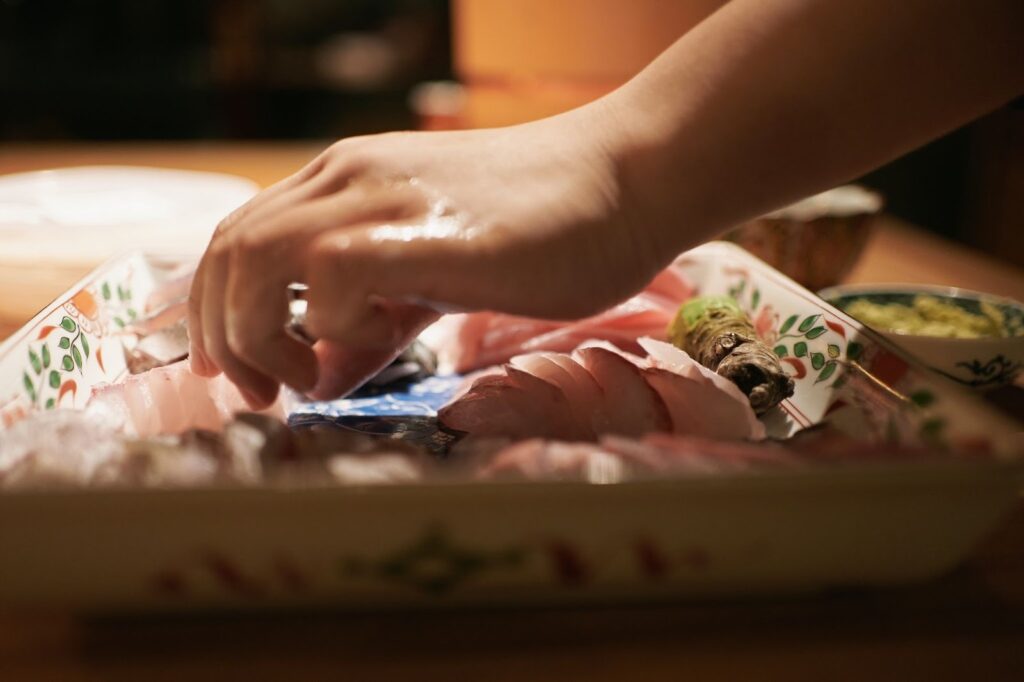
Omakase sushi, a chef-selected tasting sushi experience, is best paired with sake that enhances the flavors of the food without overpowering them or distracting from the sushi itself. Rather than choosing a single bottle, it is often best to adjust the sake selection from one topping to the next.
Seasonality also plays an important role. On colder days, a clean, lightly structured josen sake served warm, made with a small amount of added brewing alcohol for clarity and smoothness, can be a comforting and well-balanced choice. In other seasons, dry ginjo sake helps refresh the palate and maintain balance throughout the course.
Dive into the Sushi and Sake Pairing Journey: How to Enjoy Sake with Sushi
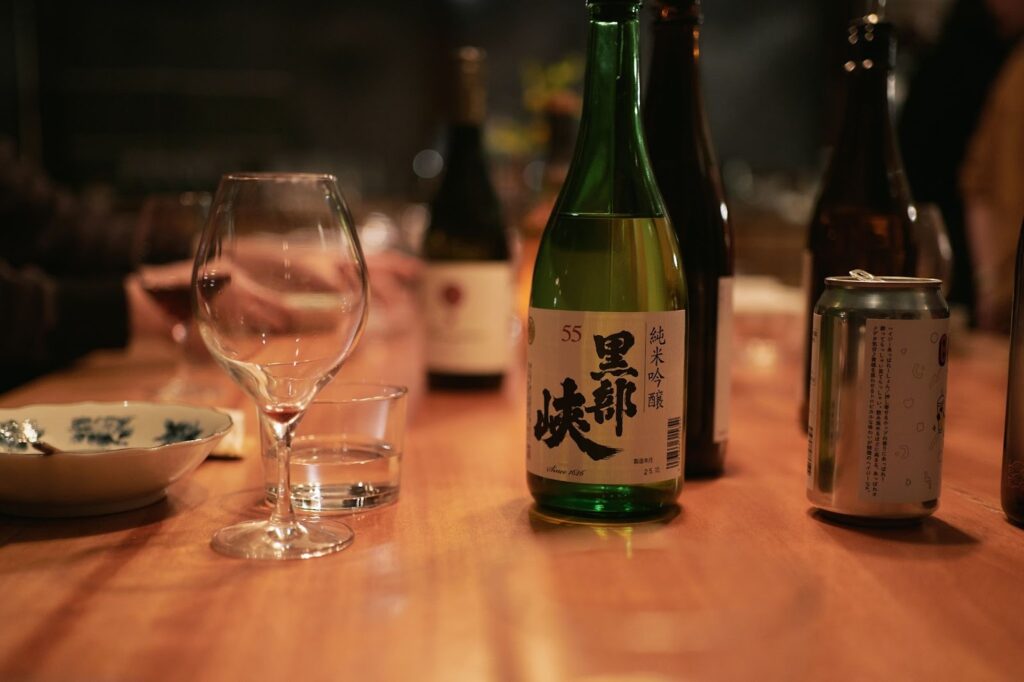
Sake sommelier Noriko Ikemori says that sake’s range is so broad that there is no single “correct” answer when it comes to pairing. That is precisely what makes it so fascinating.
Guided by the principles of harmony and contrast, and to bring out the best in both the sushi and the sake, Ikemori encourages people to explore and enjoy the endless possibilities of sushi and sake pairing.
For those looking to enjoy delicious sushi and sake nearby, click this Sushi Near Me map.
Photo by Kenta Nakajima
Research Sources
Kodansha International. The Kodansha Bilingual Encyclopedia of Japan. Kodansha, Tokyo, Japan.
Kawahara, Kazuhisa. Yomu Sushi Oishii Hanashi 108 Neta. Bungeishunju, Tokyo, Japan.
Iwanami Shoten. Kojien. Iwanami Shoten, Tokyo, Japan.
Heibonsha. Sekai Daihyakka Jiten, revised edition. Heibonsha, Tokyo, Japan.
Japan Tourism Agency. Sushi JTA Sightseeing Database. Japan Tourism Agency, Tokyo, Japan.
Ministry of Agriculture, Forestry and Fisheries. Kirei na “Hashi” no Mochikata to Mana, Special Feature 2: Ohashi no Hanashi (2), aff. Ministry of Agriculture, Forestry and Fisheries, Tokyo, Japan.
SHARE to SNS