What Is Sushi: Types, Ingredients, and a Brief History
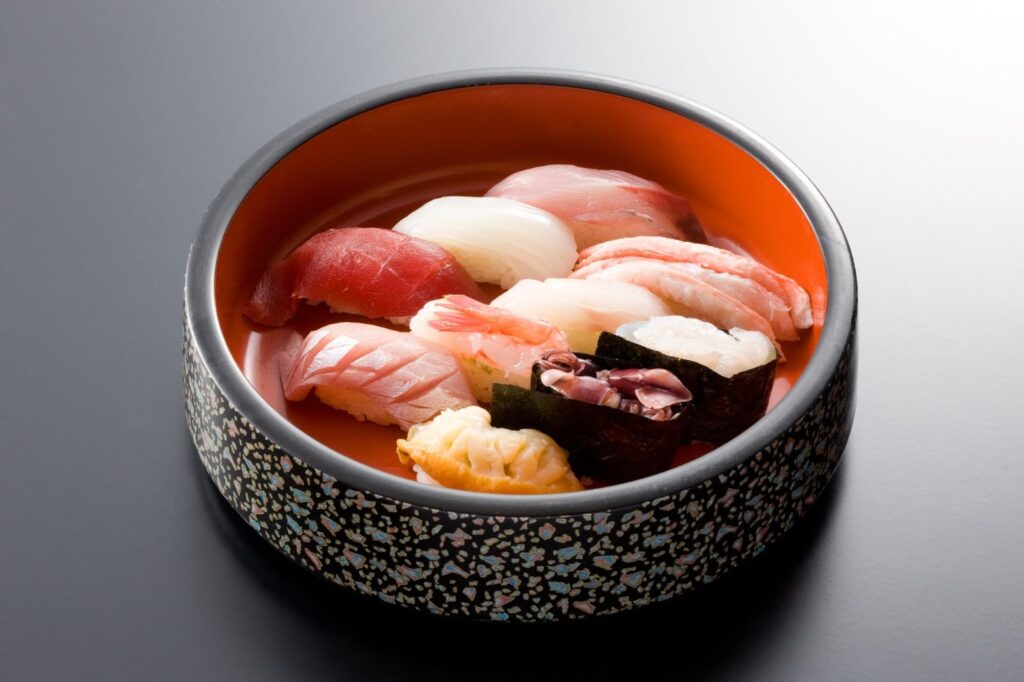
What Is Sushi?
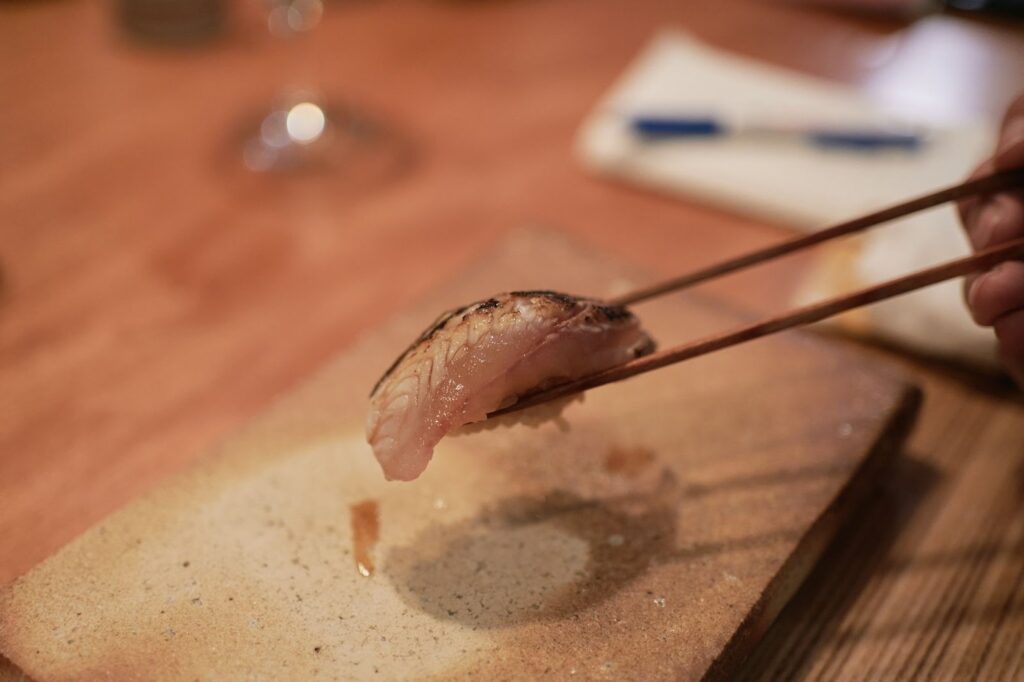
Sushi is a traditional Japanese food that comes in many styles, but the most familiar type in Japan and around the world is nigiri sushi, or hand-shaped sushi. Nigiri is made with small portions of vinegared rice topped with ingredients such as raw or cooked seafood or cooked egg. You can enjoy nigiri at sushi bars and restaurants, at kaitenzushi (conveyor belt sushi), or simply pick it up at supermarkets and convenience stores.
What Kind of Food Is Sushi?
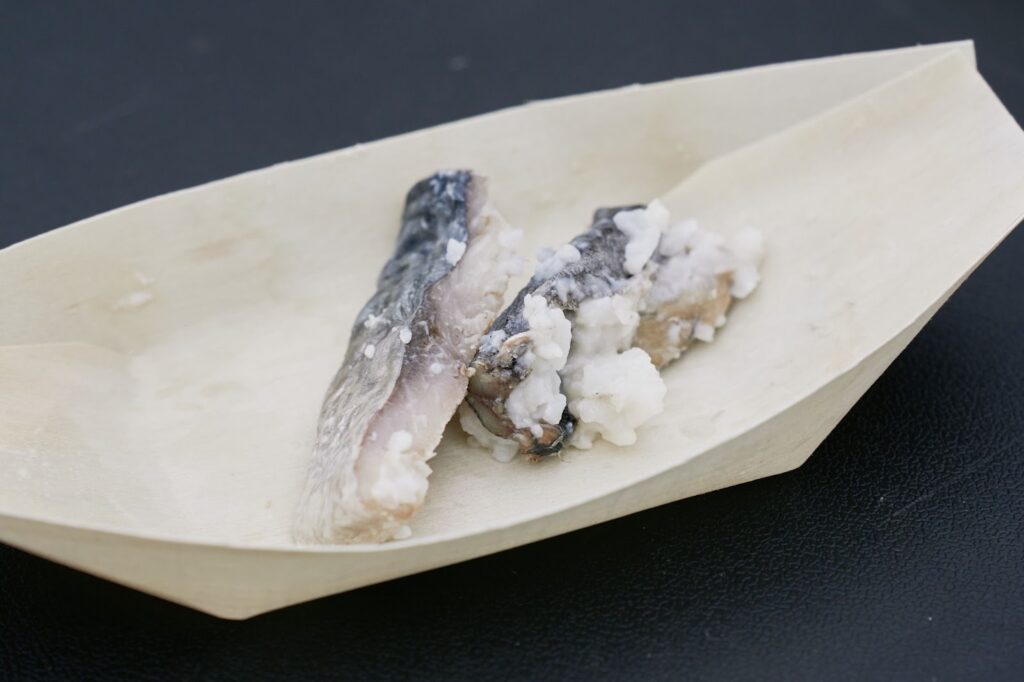
Caption/ Narezushi, an ancient form of sushi
Sushi originally began as a way to preserve fish through fermentation, rather than simple pickling. Fish was packed with rice and salt and left to ferment for several months, sometimes for over a year.
This early style, known as narezushi, is believed to have originated in Southeast Asia and reached Japan more than 1,000 years ago. After fermentation, the rice was discarded and only the preserved fish was eaten.
Modern nigiri sushi developed much later in the Edo era (1603-1868) as a faster, more convenient evolution of this original preservation method.
What Does “Sushi” Mean in Japanese?
The word sushi originally comes from 酸し (sushi), an old Japanese word meaning “sour.” Early sushi was made from fermented fish and rice, and its distinctive sour flavor gave the dish its name.
Later on, new kanji were applied based on the sound of sushi, rather than the meaning. The most common example is 寿司, where 寿 (su) suggests celebration or longevity and 司 (shi) means to administer, together giving a positive, auspicious impression.
Another common character is 鮨, which has also been used to write sushi. While there are several theories, this character is believed to have originally referred to salted or fermented seafood, and in some interpretations, even tuna.
Sushi has also been written as 鮓, a character that more directly refers to fermented fish, reflecting sushi’s original preservation-based roots.
What Sushi Is Made Of: The Main Ingredients Inside
Sushi has a long history and comes in many styles, but the most iconic type is nigiri sushi, made with vinegared rice topped with ingredients such as raw, cooked, or fermented fish, or cooked egg.
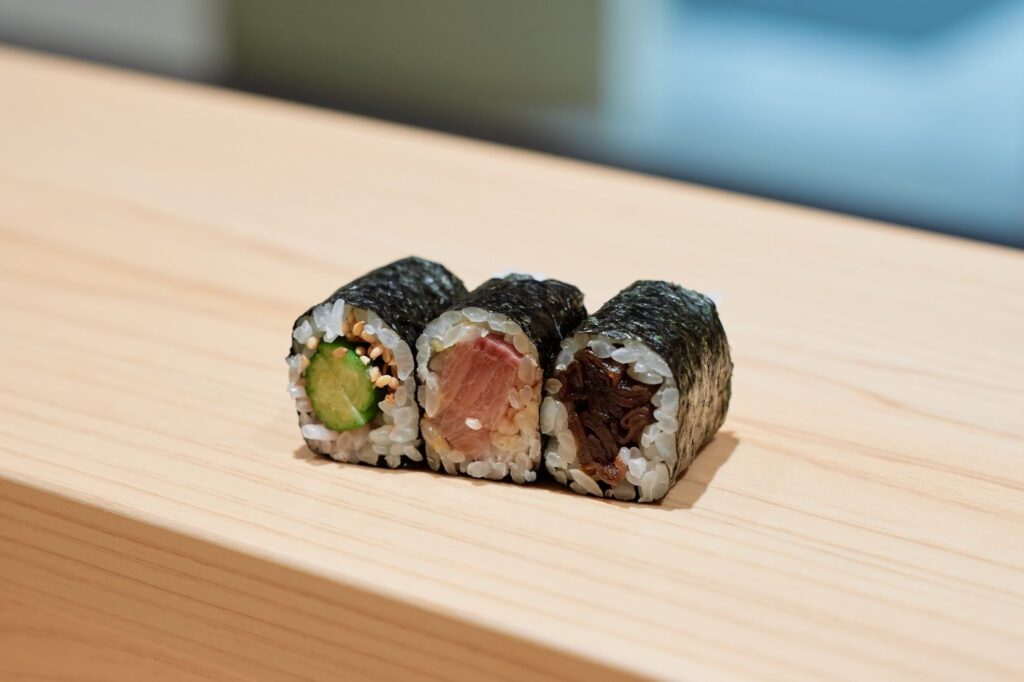
Maki sushi, on the other hand, features vinegared rice spread over a sheet of lightly toasted nori (seaweed), then rolled with fillings like seafood or vegetables such as cucumber.
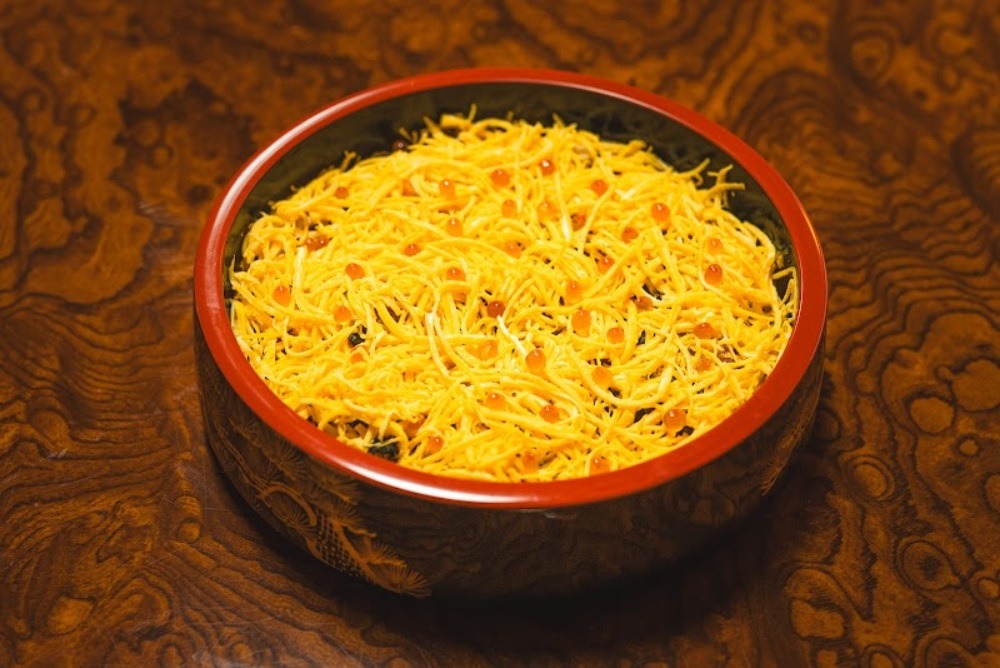
Caption/ Chirashi sushi, photo by Masafumi Kashi
In chirashi sushi, often described as “sprinkled or shattered sushi,” a variety of raw or cooked seafood, vegetables, and sliced omelet are spread over vinegared rice in a bowl.
Different Types and Categories of Sushi
Sushi can be broadly divided into two main groups: sushi that requires long fermentation and sushi that does not.
The first group includes traditional fermentation-based styles, which rely on time-consuming fermentation to preserve fish and develop sour flavors.
The second group consists of quick-cooking styles, where vinegar replaces long fermentation.
The Main Styles of Each Sushi Category
The fermentation group includes styles such as:
- Narezushi (fermented fish)
- Namanarezushi (fermented fish and rice)
Namanarezushi combines nama (raw) and narezushi. It uses a much shorter fermentation period, and later versions added vinegar for flavor, allowing both the fish and rice to be eaten together.
On the other hand, the second group skips the fermentation period to eat quickly. This is broadly called haya-zushi, or “fast sushi,” developed as vinegar replaced long fermentation. This made sushi quicker to prepare while keeping a refreshing sour taste, and this shift paved the way for modern sushi styles, including:
- Chirashi sushi (sprinkled sushi)
- Oshi sushi (box-pressed sushi)
- Nigiri sushi (hand-pressed sushi)
- Maki sushi (rolled sushi)
A Brief Overview of Sushi History
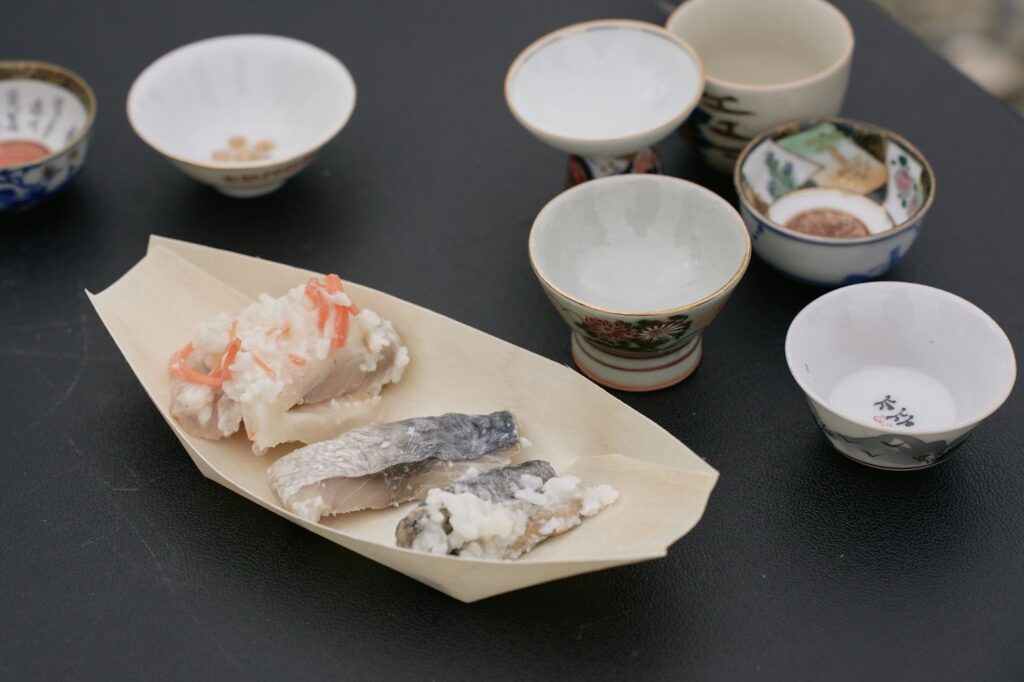
Caption/ Narezushi (right and center), a kind of pressed sushi (left) in a plate
Sushi didn’t start as the raw fish dish we know today. The earliest ancestor of sushi began in Southeast Asia, where people fermented fish with salt and rice to preserve it for long periods. Rice wasn’t eaten; it was just part of the preservation process. This fermented fish method eventually reached Japan. In the 8th century, narezushi was first mentioned in historical records. In narezushi, fish was fermented with rice for months or even longer, and only the fish was eaten.
Over time in Japan, people started eating both the fish and the rice together. By the Muromachi period, 1336 to 1573, a semi-fermented style called namanarezushi had emerged. It shortened the fermentation period to days or weeks, and the rice was not dissolved away anymore.
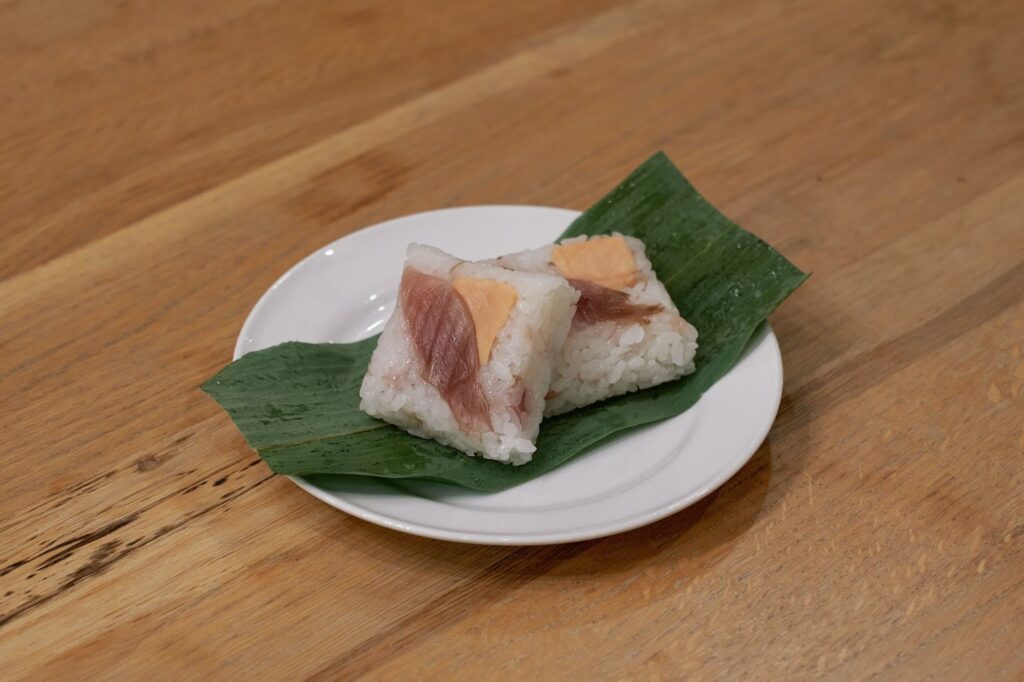
Caption/ A type of oshizushi (box-pressed sushi), classified as a form of quick sushi (hayazushi).
Later, chefs began using vinegar to replace long fermentation, creating a faster way to season rice and skipping the long curing. This shift led to early forms of quick sushi like box-pressed sushi oshizushi, where vinegared rice and seafood were packed and pressed together.
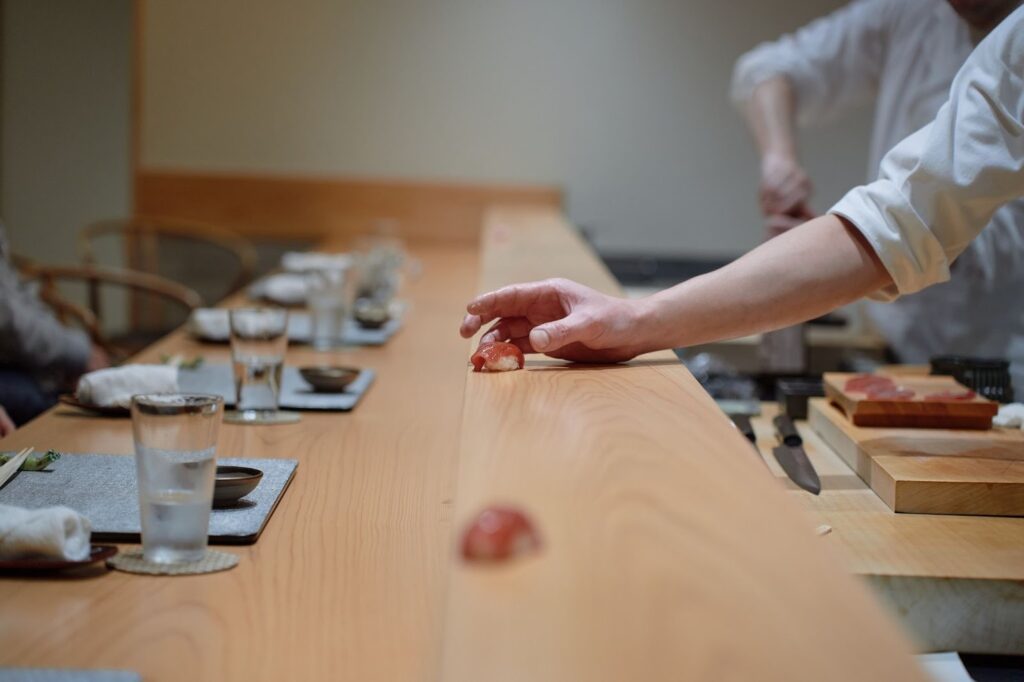
In the early 1800s, during the Edo period, a chef named Hanaya Yohei is widely credited with developing nigiri sushi, small hand-pressed portions of vinegared rice topped with fresh seafood. This style was quick to make and perfect for busy city life in Edo, now Tokyo, and it became hugely popular.
Nigiri sushi stayed mostly in Edo or Tokyo at first, but over about a hundred years, it spread throughout Japan and eventually around the world. Today, other countries have also created new sushi styles like the California roll, spicy tuna roll, and even fusion ideas like the sushi burrito.
Sushi FAQs
This paragraph answers the most frequently asked questions with brief explanations.
What Is the Difference Between Sushi and Sashimi?
The difference between sushi and sashimi is simple: sushi comes with vinegared rice, while sashimi is just slices of raw fish or shellfish. For example, nigiri sushi has the fish on top of vinegared rice, but sashimi is served on its own.
Is Sushi Fully Raw Fish?
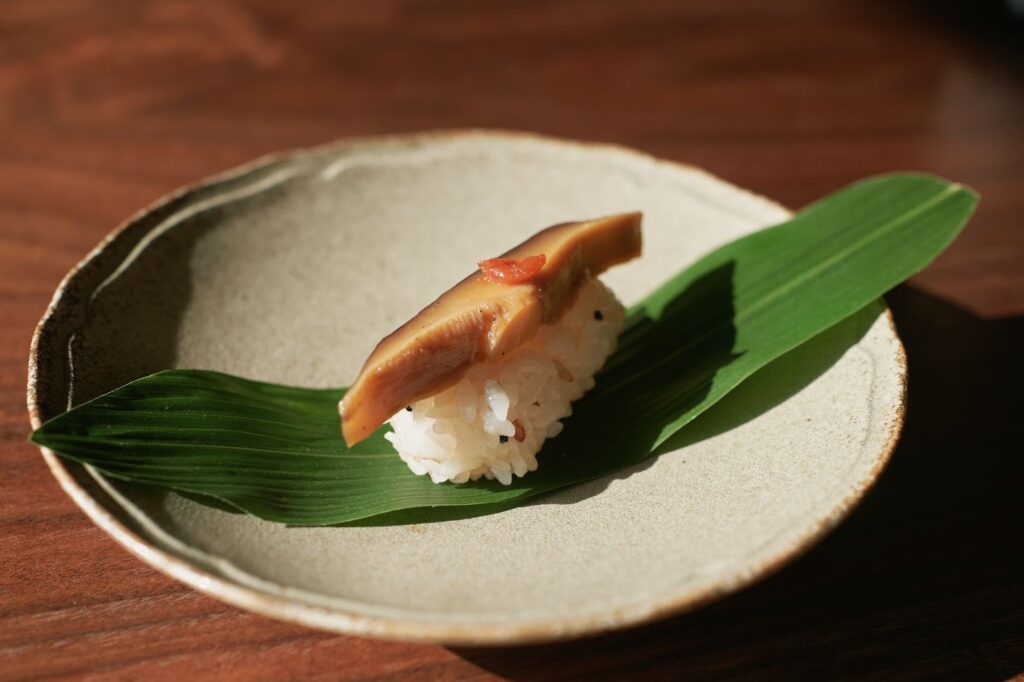
Caption/ A type of vegan sushi made with a slice of shiitake mushroom.
Sushi doesn’t always have raw fish on vinegared rice. Cooked fish or vegetables can also be used to make sushi.
Is the California Roll Considered Sushi?
The California roll is considered sushi because it uses vinegared rice to hold its ingredients together. Traditional Japanese sushi rolls inspired it.
Is Sushi Chinese Food?
Sushi is not Chinese food. Quick sushi, like nigiri sushi, was completely invented in Japan and later spread around the world. The older fermented sushi, called narezushi, does share roots across East and Southeast Asia, including areas that are now part of China.
What Is the Difference Between Sushi, Nigiri, and Maki?
Sushi is a broad term that includes many different styles, like nigiri sushi and maki sushi. Nigiri sushi is just one variation of sushi.
Sushi Is What Defines Japanese Cuisine Made with Vinegared Rice
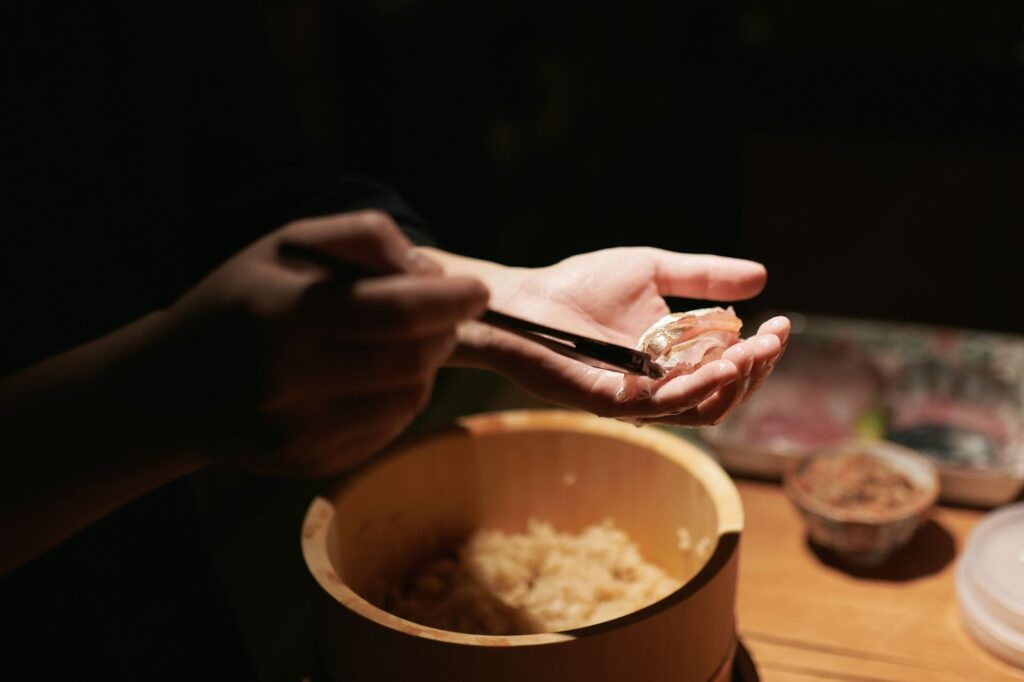
Sushi comes in many different types, and world-famous nigiri sushi is just one of them. If you love sushi, try exploring all the styles, like maki sushi, chirashi sushi, oshi sushi, and even the original fermented sushi called narezushi.
For those looking for delicious sushi nearby, click this Sushi Near Me map.
Photo by Kenta Nakajima
Research Sources
Kodansha International. The Kodansha Bilingual Encyclopedia of Japan. Kodansha, Tokyo, Japan.
Kawahara Kazuhisa. 読む寿司オイシイ話108ネタ. Bungeishunju, Tokyo, Japan.
Iwanami Shoten. 広辞苑. Iwanami Shoten, Tokyo, Japan.
Heibonsha. 改定新版 世界大百科事典. Heibonsha, Tokyo, Japan.Japan Tourism Agency. Sushi JTA Sightseeing Database. Japan Tourism Agency, Tokyo, Japan.Tatsumi Yoshiyuki & Tsuchida Mitose. Why Sushi in Toyama Is So Delicious. Hokkoku Shimbunsha, Toyama, Japan.
SHARE to SNS